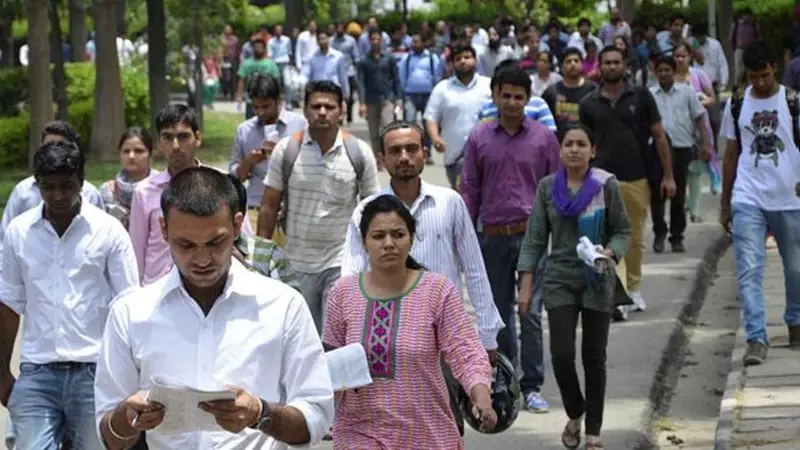
Preparing for the Joint Entrance Examination (JEE) Main 2026 often feels like navigating a complex maze. Many students experience frustration not because they lack ability, but due to avoidable missteps that derail their efforts. Recognizing these pitfalls early can transform your preparation journey, reducing anxiety and boosting confidence for the exam.
The Foundation: A Clear Study Plan
One of the biggest blunders is starting without a defined study plan. Students frequently jump between subjects or follow multiple, conflicting timetables. This unstructured approach creates confusion and hampers syllabus coverage. A solid plan must balance Physics, Chemistry, and Mathematics while allowing regular revision of topics.
Ignoring NCERT Textbooks
Many aspirants skip NCERT books, opting only for advanced materials. This is a serious mistake. NCERT textbooks form the core foundation for JEE concepts. Neglecting them can lead to weak fundamentals, making advanced topics harder to grasp.

Theory vs. Practice Imbalance
Focusing solely on theory while neglecting problem-solving is another common error. JEE tests your ability to apply knowledge, use logic, and work quickly. Understanding concepts without sufficient practice leaves you unprepared for exam-day challenges.
Learning from Mistakes
Merely solving problems isn't enough. You must analyze your errors from mock tests and practice papers. Each wrong answer offers a chance to improve. Ignoring this analysis slows your progress significantly.
Time Management Pitfalls
Poor time management can sabotage your preparation. Some students spend excessive hours on favorite subjects while avoiding difficult ones. This creates knowledge gaps that hurt overall performance. Similarly, studying for long stretches without breaks leads to fatigue and reduced concentration.
Quality always trumps quantity when it comes to study sessions. Taking regular breaks enhances retention and efficiency, making your efforts more productive.
Delaying Mock Exams
Postponing full-length mock tests until completing the syllabus is a misunderstanding. Waiting too long limits your familiarity with question patterns, time management, and exam stress. Regular mock exams build confidence and help identify weaknesses early.
The Comparison Trap
Excessively comparing yourself to peers can be damaging. While healthy competition motivates, constant comparison breeds anxiety and self-doubt, ultimately affecting your performance.
Neglecting Health and Wellbeing
Ignoring physical and mental health is perhaps the costliest mistake. Irregular sleep, poor diet, lack of exercise, and chronic stress impair memory, focus, and stamina. JEE preparation is a marathon, not a sprint. Neglecting health can undo months of hard work.
Addressing Doubts Promptly
Failing to resolve doubts quickly weakens your understanding. Whether through teachers, friends, or trusted resources, clear your doubts immediately to maintain strong conceptual clarity.
Patience and Consistency
Many students lose patience after seeing low scores, leading them to give up or constantly switch strategies. Consistency is key. Trust your study plan, believe in gradual improvement, and stay committed to the process.
By avoiding these common mistakes, you can prepare more effectively, maintain balance, and perform at your best in the JEE Main 2026 examination.
The author is an IIT Delhi alumnus and Head of Physics at Vidyamandir Classes.