

South Western Railway's Freight Performance Highlights Goa's Economic Role Amid Environmental Debate
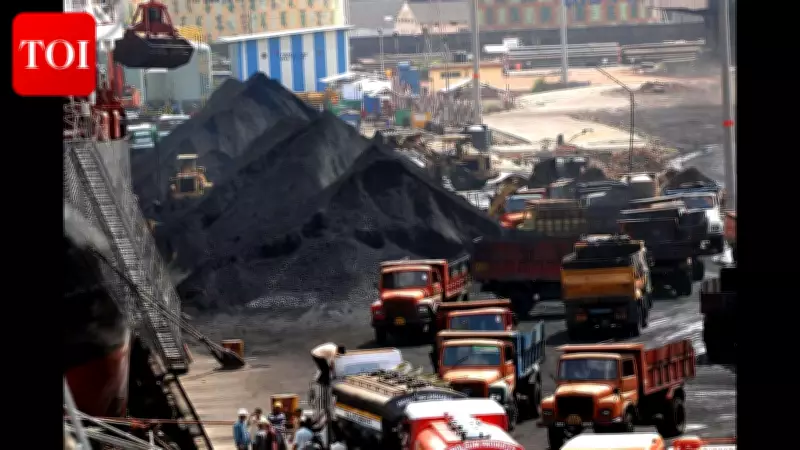
Margao: The impressive freight performance of South Western Railway (SWR) in the current fiscal year has brought renewed scrutiny to the ongoing controversy surrounding coal handling operations at the Mormugao Port Authority (MPA) in Goa. While the state government maintains that all port activities remain within legally permissible limits, opposition leaders are raising significant environmental and regulatory concerns.
Record-Breaking Freight Revenue and Loading Figures
According to official data released by SWR, the railway zone achieved remarkable financial results during the 2025-26 fiscal year up to February. The overall gross revenue reached an impressive Rs 8,550 crore, representing a substantial growth of 14.3% compared to the same period in the previous year. This financial success was primarily driven by freight operations, which contributed Rs 4,876 crore in revenue – a significant increase of 18.3%.
In terms of physical freight movement, SWR handled 47.5 million tonnes of originating freight during the April to February period. This represents a sharp increase from the 40.6 million tonnes handled during the corresponding period last year, translating to a growth rate of 17%. The performance underscores the critical role of railway infrastructure in supporting Goa's industrial and export sectors.

Commodity Breakdown and Goa's Strategic Importance
The detailed commodity-wise analysis reveals the specific contributions that have fueled SWR's freight success:
- Iron Ore Loading: Reached 19 million tonnes, showing growth of 10.7%
- Steel Loading: Rose to 9.8 million tonnes, with impressive growth of 35.9%
- Coal Loading: Improved to 9.3 million tonnes, registering growth of 16.6%
All three commodities have a significant presence in Goa's economy, with the Mormugao Port Authority serving as a major handling and distribution hub. The port's strategic location and infrastructure make it crucial for the movement of these essential industrial materials, which are vital to both domestic industries and export markets.
Political Controversy Over Coal Handling Operations
The strong freight performance has intensified the political debate surrounding coal handling at Mormugao Port. Leader of Opposition Yuri Alemao has accused the state government of presenting contradictory information about coal handling operations. He pointed out that while the central government's response in Parliament mentioned five locations where coal is handled at MPA, the state government's reply to the assembly referenced only three locations.
Chief Minister Pramod Sawant has defended the port operations, stating that coal handling at MPA is conducted by three specific companies: Southwest Port Limited, Adani Mormugao Port, and Morning Dolphine. The Chief Minister emphasized that all three companies possess valid environmental clearances (ECs) and operate within regulatory frameworks.
Environmental Compliance Concerns and Regulatory Scrutiny
Despite the government's assurances, opposition leaders continue to raise questions about environmental compliance. Alemao has specifically highlighted concerns about Jindal exceeding its coal handling quota and receiving a show cause notice from regulatory authorities. The opposition leader has demanded that the government take action against coal handling operations west of the breakwater, where activities allegedly lack proper environmental clearances.
The controversy highlights the ongoing tension between economic development priorities and environmental protection concerns in Goa. As the state continues to play a crucial role in India's industrial supply chains through ports like Mormugao, balancing economic growth with environmental sustainability remains a significant challenge for policymakers and regulatory authorities.

The strong freight performance of South Western Railway demonstrates the economic importance of Goa's port infrastructure, while simultaneously bringing environmental compliance issues into sharper focus. As the debate continues, stakeholders across government, industry, and civil society will need to navigate the complex interplay between economic development, regulatory compliance, and environmental protection.





