

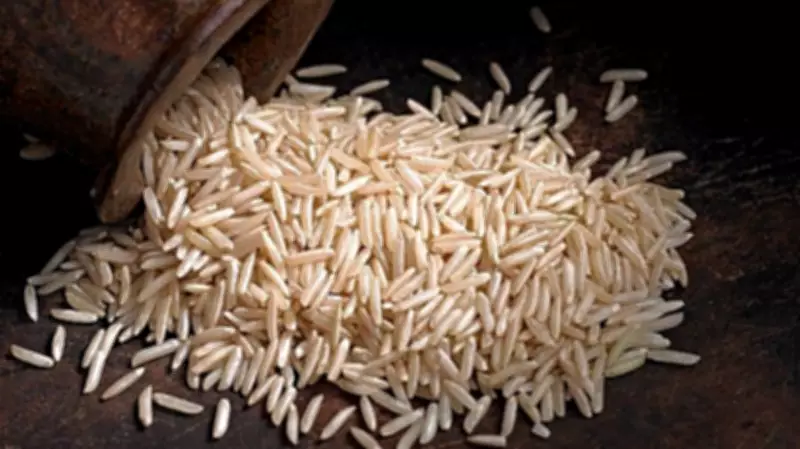
Indian Basmati Rice Exports to Iran Grind to a Halt Amid Regional Conflict
The export of Indian basmati rice to Iran has been severely disrupted due to the ongoing regional conflict, with shipments held up at ports and in transit, and new deals coming to a standstill. This situation is causing significant concerns for Indian exporters and the agricultural sector, as Iran is a major market for India's premium rice variety.
Port Delays and Transit Issues Cripple Trade
Numerous consignments of Indian basmati rice are currently stuck at various ports, unable to proceed to their final destinations in Iran. Additionally, shipments that are already in transit are facing indefinite delays, exacerbating the logistical nightmare for exporters. The conflict has led to heightened security measures and operational challenges, making it difficult to move goods smoothly across borders.
The halt in new deals is particularly alarming, as it threatens to disrupt long-term trade relationships and impact future export volumes. Exporters report that uncertainty over the conflict's duration and its implications for trade routes has made buyers hesitant to commit to new contracts, leading to a sharp decline in business activity.

Economic Impact on Indian Exporters and Farmers
This disruption poses a serious economic threat to Indian basmati rice exporters, who rely heavily on the Iranian market for revenue. Iran is one of the largest importers of Indian basmati, and any prolonged stoppage could result in substantial financial losses. The ripple effects may also extend to farmers in states like Punjab, Haryana, and Uttar Pradesh, where basmati cultivation is a key agricultural activity.
Industry experts warn that if the situation persists, it could lead to a buildup of inventory and price volatility in the domestic market, affecting both producers and consumers. The Indian government and trade associations are closely monitoring the developments, but immediate solutions appear limited given the geopolitical complexities.
Broader Implications for Indo-Iran Trade Relations
The current crisis highlights the vulnerabilities in international trade when geopolitical tensions escalate. India and Iran have historically maintained strong trade ties, with basmati rice being a significant export commodity. However, the conflict-induced disruptions underscore the need for diversified markets and robust contingency plans to mitigate such risks in the future.
Exporters are now exploring alternative routes and markets to offset the losses, but the unique demand for basmati in Iran makes substitution challenging. The situation serves as a stark reminder of how regional conflicts can have far-reaching economic consequences, impacting global supply chains and bilateral trade agreements.






