








Politics
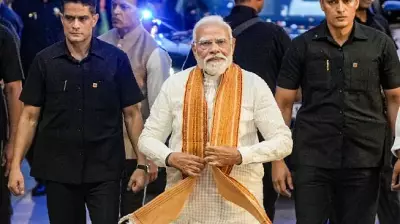
India Wakes Up to West Asia Crisis: Modi's Seven Requests
India finally acknowledges the scale of the West Asia crisis as PM Modi makes seven requests to citizens, including work from home and cutting cooking oil use.





World

US Judge Blocks Sanctions on UN Expert for Palestinian Territories
A US federal judge has temporarily blocked sanctions imposed on UN expert Francesca Albanese, who criticized Washington's Gaza policy and recommended ICC action against Israeli leaders.



Entertainment

Saif Ali Khan's 'Kartavya' Brings Back Memories of Iconic 'Omkara' Role
Saif Ali Khan, gearing up for his cop drama 'Kartavya', reflects on how his iconic role as Langda Tyagi in 'Omkara' changed the industry's perception of him and credits Vishal Bhardwaj for his support.



Business
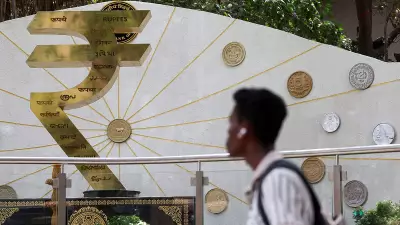
Indian Rupee Hits Record Low of 95.73 Against US Dollar
The Indian rupee settled at an all-time low of 95.73 against the US dollar, driven by inflation concerns and a strong greenback in overseas markets.







Lifestyle





Technology
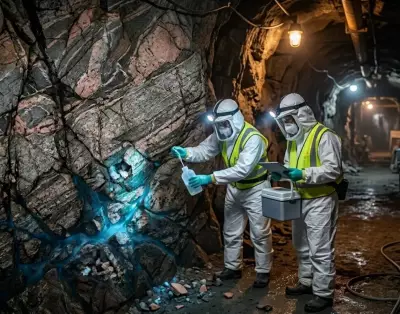
2-Billion-Year-Old Water Found in Canadian Mine
Scientists discovered water trapped in fractures 1.5 miles deep in a Canadian mine, estimated to be up to 2 billion years old, revolutionizing views on underground life and Earth's history.
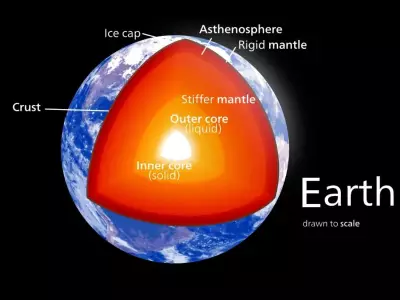
Hidden Mantle Giants Shape Earth's Magnetic Field
New research reveals that massive hidden structures in Earth's mantle influence the planet's magnetic field by affecting heat flow from the core, challenging previous core-only theories.

Larry Page: Aim for Stars, Reach the Moon – Ambition's Power
Larry Page's quote on aiming high reveals how extraordinary goals lead to remarkable outcomes even when falling short. A lesson in ambition for today's world.
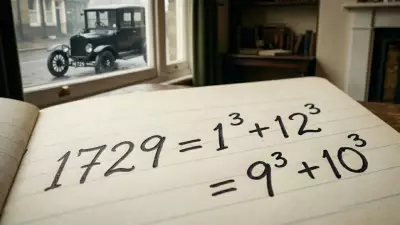
1729: Taxicab Number Connects Ramanujan to String Theory
Discover the story of 1729, the taxicab number that showcases Ramanujan's genius and continues to inspire modern mathematics and string theory.
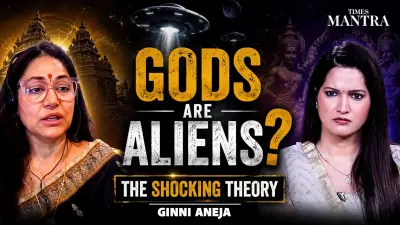
Alien Theory Behind Ancient Gods: Were They Advanced Beings from Space?
Ginni Aneja explores the controversial idea that ancient gods may have been extraterrestrial beings, linking mythology with advanced technology and UFO narratives.
