India's Economic Stability Under Threat from Strait of Hormuz Crisis
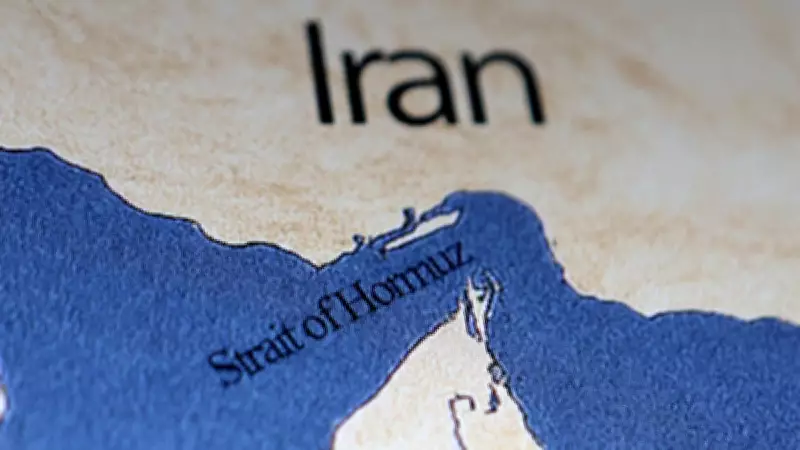
The escalating tensions between Iran, Israel, and the United States have triggered a severe crisis in the Strait of Hormuz, raising profound energy security concerns for India. This critical maritime chokepoint, through which a significant portion of the world's oil flows, is now a focal point of geopolitical instability that directly impacts India's import-dependent economy.
Beyond Oil: A Cascade of Trade Vulnerabilities
While the immediate threat to India's oil imports is paramount, the risks extend far beyond petroleum. India's export sectors face substantial disruption. The nation's prized basmati rice exports, a significant source of agricultural revenue, are particularly vulnerable to shipping delays and increased insurance costs through the Persian Gulf region.
Similarly, the tea trade, another cornerstone of India's export economy, could suffer from logistical bottlenecks and heightened security premiums. The crisis jeopardizes not just traditional commodities but also emerging sectors vital for India's future growth.

Clean Energy and Broader Macroeconomic Fallout
India's ambitious clean energy transition faces a hidden supply chain threat. The manufacturing and import of components for solar and wind energy projects, often reliant on stable maritime routes, could be delayed or become more expensive, potentially slowing the nation's renewable energy goals.
The broader macroeconomic stability of India is at stake. Analysts warn of a potential perfect storm: rising inflation due to costlier imports and disrupted exports, pressure on the current account deficit from higher oil bills, and general market volatility that could deter foreign investment. This multifaceted crisis underscores how regional conflicts in the Middle East can have immediate and tangible consequences for the Indian economy, affecting everything from the price of daily essentials to long-term strategic investments.