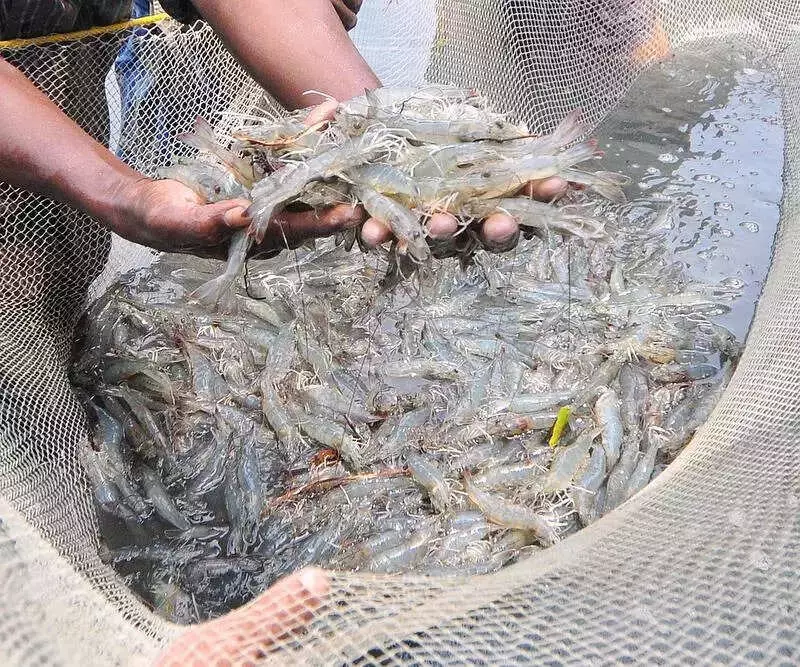
In a significant push for women-led rural entrepreneurship, the Chamarajanagar Zilla Panchayat in Karnataka has launched a major aquaculture initiative. The project has selected 26 women self-help groups (SHGs), comprising 160 members, for comprehensive training in fish farming. This move aims to diversify income sources and create sustainable livelihoods by leveraging local water bodies.
Training and Support Under Matsya Sanjeevini
The initiative is part of the Matsya Sanjeevini programme, which falls under the central government's Pradhan Mantri Matsya Sampada scheme. It is being implemented through a collaborative effort involving the Department of Rural Development, Panchayat Raj institutions, the National Rural Livelihood Mission (NRLM), and the Department of Fisheries. The support package for the women is robust, including training, technical guidance, free fingerlings (fish seeds), and crucial market linkages to ensure the venture's commercial success.
These SHGs, already experienced in selling homemade food, handicrafts, and running cottage industries, are now venturing into aquaculture as an additional revenue stream. The Zilla Panchayat has identified 26 lakes across the district's gram panchayats specifically for this purpose. The lakes will be managed and maintained by the women's groups.

Lakes Identified Across Five Taluks
The district administration has meticulously selected lakes in all five taluks of Chamarajanagar. Gundlupet taluk leads with 10 lakes, followed by Chamarajanagar taluk with 6, Kollegal taluk with 4, and Hanur and Yelandur taluks with 3 lakes each.
Some of the key lakes earmarked for the project include Ayyanakatte Lake in Hebsur, Kalashettykere in Honganur, Honnali, Kempanapura, Hongalli Lake in Baragi, Berambadi, Mangala Mahadeshwara Lake, and Hosakere among others. The Department of Fisheries has already begun the process of releasing fingerlings free of cost into these water bodies.
From Rearing to Revenue: The Process and Promise
The selected women SHG members, after receiving training, are responsible for the day-to-day management of the lakes. Their duties include rearing the fish, providing feed, and protecting the lakes from theft and other threats. The harvest cycle is set for 8 to 10 months after the initial release of fingerlings.
Upon harvest, the women have multiple avenues to sell their produce. They can sell fish directly in local markets or through established channels like the Karnataka Fisheries Development Board outlets. The profits earned from sales will be shared among the members of the respective SHGs, directly boosting their household incomes.
Mona Roth, the Chief Executive Officer of Chamarajanagar Zilla Panchayat, emphasized that the training aims to equip women with skills in aquaculture to empower them both economically and socially. She stated that such revenue-generating activities are pivotal in transforming rural livelihoods.
Echoing the progress, Manjeshwar, the Deputy Director of Fisheries in Chamarajanagar, confirmed that 100 out of the 160 women have already been trained. He added that a substantial 200,000 fingerlings have been released for the current season, setting the stage for a promising harvest and a new chapter in women-led agri-business in the region.