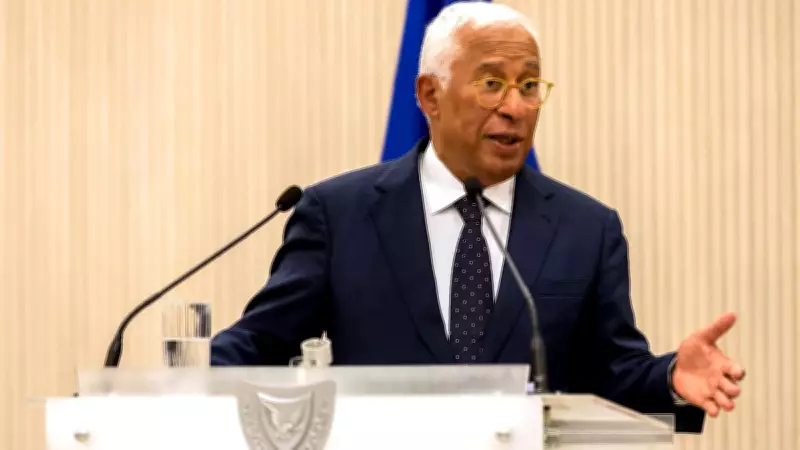
EU's Antonio Costa Backs Lebanon's Decision to End Hezbollah Military Activities
In a significant diplomatic development, European Union representative Antonio Costa has publicly endorsed Lebanon's recent decision to terminate all military activities conducted by the Hezbollah organization. This statement, made on March 2, 2026, underscores the EU's firm stance on regional stability and security in the Middle East.
Call for Renewed Security Coordination
Costa emphasized the critical importance of resuming security coordination between Israel and Lebanon as a fundamental step forward. He articulated that this renewed cooperation is essential to empower the Lebanese Armed Forces with the capability to effectively disarm Hezbollah and, consequently, ensure the comprehensive security and safety of all Lebanese citizens.
'It is now important for Israel and Lebanon to resume security coordination, so the Lebanese Armed Forces can disarm Hezbollah and ensure the security of all Lebanese people,' Costa stated unequivocally. This declaration highlights the EU's strategic focus on fostering collaborative security measures to address longstanding tensions in the region.

Implications for Regional Stability
The endorsement from the European Union, through Costa's remarks, signals a robust international backing for Lebanon's sovereign decisions regarding internal security matters. By supporting the cessation of Hezbollah's military operations, the EU aligns with efforts to diminish armed conflicts and promote peaceful resolutions.
This development is poised to have profound implications for the geopolitical landscape of the Middle East, potentially paving the way for enhanced diplomatic dialogues and reduced hostilities. The emphasis on the Lebanese Armed Forces taking a leading role in disarmament reflects a commitment to strengthening national institutions and upholding the rule of law.
Broader Context and Future Prospects
Antonio Costa's statement arrives at a pivotal moment, as regional actors navigate complex security challenges. The EU's position, as articulated by Costa, advocates for a structured and cooperative approach to disarmament, which could serve as a model for addressing similar issues in conflict-prone areas globally.
Looking ahead, the success of this initiative will largely depend on the willingness of both Israel and Lebanon to engage in constructive security partnerships. The international community, including the European Union, is likely to monitor these developments closely, offering support where necessary to ensure lasting peace and stability for the Lebanese people and the broader region.