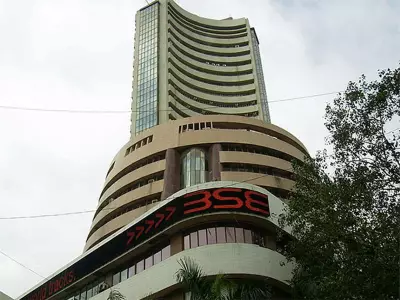
Indian Stock Market Remains Range-Bound After Severe Budget Day Crash
The Indian stock market exhibited a range-bound, flat trading pattern during Monday's session on February 2, following one of its most severe intraday crashes in the past six years that occurred on budget day. As of 11:30 am, both the benchmark indices, the Nifty 50 and the Sensex, were trading with minimal movement, reflecting a cautious investor sentiment in the aftermath of the dramatic downturn.
Budget Day Fallout and Investor Disappointment
Investors had entered the Union Budget with hopeful expectations that it would provide a much-needed boost to the Indian stock market, which had been experiencing volatility since the beginning of the year. However, the budget announcements delivered a series of shocks that severely dampened market sentiment. Key measures that spooked investors included an increase in the securities transaction tax (STT), record government borrowing plans for the fiscal year, and a perceived lack of substantial measures to attract foreign investment into Asia's third-largest economy.
The negative reaction was immediate and sharp, resulting in a significant 2% decline in the Nifty 50 and an even more pronounced 2.24% fall in the Sensex. This rout pushed the Nifty 50 to its lowest level in four months, marking a substantial 6% drop from its January peak of 26,373. Historical data highlights the rarity of such budget day declines; over the past 25 years, the Nifty 50 has closed with losses exceeding 2% on only four occasions, with the steepest fall recorded at 5.8% in 2009.

Positive Budget Elements Overshadowed by Negative Sentiment
Interestingly, several positive elements within the budget were largely overshadowed by the negative market reaction. These included a higher capital expenditure allocation of 3.1% of GDP, a 10 basis-point reduction in the fiscal deficit target to 4.3% for FY27, and a clear government commitment to reduce central government public debt as a share of GDP. The target is to bring it down to 50% (±1%) by FY31, starting from an aim of 55.6% in FY27. Despite these constructive fiscal measures, the immediate investor focus remained on the perceived negatives, leading to widespread stock dumping.
Analysts Maintain Long-Term Optimism Despite Short-Term Volatility
While investors reacted negatively, financial analysts and brokerage firms have largely maintained a positive outlook on India's long-term economic growth narrative. They cite factors such as an anticipated earnings recovery and the lagged beneficial effects of recent consumption tax cuts as key drivers for future market performance.
Global brokerage giant Goldman Sachs, in its latest report, reiterated its positive stance on domestic equities. The firm noted that the budget's softer fiscal drag, combined with steady capital expenditure spending, aligned well with its expectations. This alignment supports Goldman Sachs's fundamentally constructive view on Indian stocks, which is primarily driven by an expected recovery in earnings growth to the mid-teens percentage range.
Goldman Sachs Highlights Policy Focus and Sectoral Opportunities
Goldman Sachs underscored that Indian policymakers are strategically focusing on long-term macroeconomic and market resilience rather than pursuing short-term growth spurts. This approach is evident in the continued commitment to fiscal consolidation and the timing of the STT hike, which is likely intended to curb excessive speculation in the derivatives market, even if it temporarily limits equity upside.
The brokerage firm emphasized that the policy thrust remains firmly on strengthening public-sector balance sheets to foster durable and less volatile economic growth over the long term. Regarding specific sectors, while the budget did not announce new direct consumption stimulus, Goldman Sachs believes a consumption revival can be sustained through the delayed positive effects of policy easing implemented in the previous year.

On the capital expenditure front, the prioritization of defense spending reinforces Goldman Sachs's overweight stance on that sector. Looking ahead, the firm identifies rising medium-term opportunities in strategically important areas and new infrastructure domains. These include digital infrastructure and data centers, biotechnology, transportation corridors, nuclear power, and critical minerals.
Caution on Near-Term Risks and Final Outlook
However, Goldman Sachs also issued a note of caution regarding near-term risks to market valuations. These risks persist due to already weak foreign investor sentiment, which has been further exacerbated by the unexpected timing of the STT increases. Despite these short-term headwinds, the brokerage retained its constructive overall view on Indian equities. It expects high-teen percentage returns for the full year, driven fundamentally by the underlying recovery in corporate earnings.
Disclaimer: The views and recommendations mentioned are those of individual analysts or broking companies, and not of Mint. Investors are advised to consult with certified experts before making any investment decisions.