

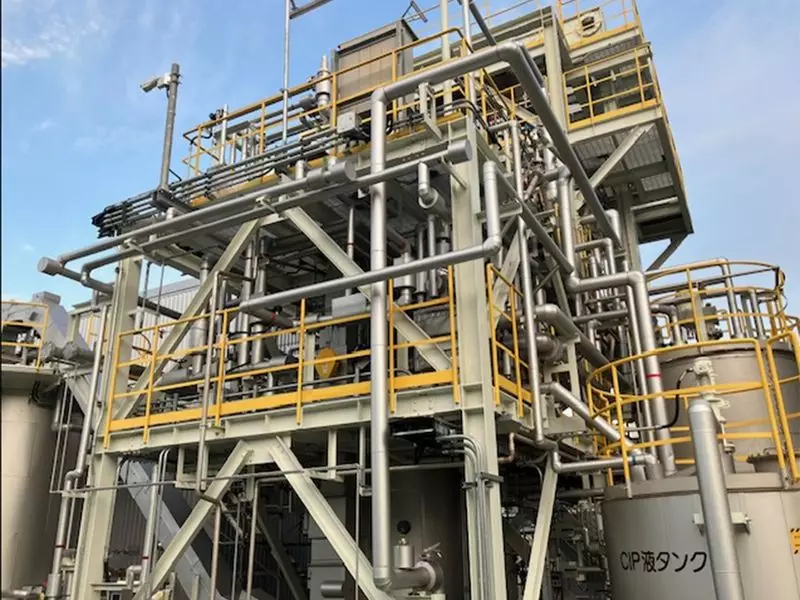
Toyota Motor Corporation has initiated a comprehensive feasibility study exploring the potential of bioethanol production in Japan's Fukushima prefecture, marking a significant step toward achieving carbon neutrality in the automotive sector. This innovative project aims to transform the disaster-affected region into a hub for sustainable energy production while developing environmentally friendly vehicle technologies.
Revitalizing Fukushima Through Sustainable Energy
The Japanese automotive giant is collaborating with various stakeholders to assess the viability of establishing a bioethanol production facility in Fukushima. This initiative represents a crucial component of Toyota's broader strategy to develop carbon-neutral transportation solutions. The project specifically focuses on creating a sustainable business model that could potentially revitalize the Fukushima region, which continues to recover from the devastating 2011 earthquake, tsunami, and nuclear disaster.
According to the comprehensive plan, Toyota will investigate the entire production chain, from sourcing raw materials to the final distribution of bioethanol fuel. The company aims to utilize local resources and agricultural products from Fukushima, potentially creating new economic opportunities for the region's farmers and businesses. This approach aligns with Japan's national goals of promoting regional economic development while advancing environmental sustainability.

Technical Innovation and Environmental Benefits
Toyota's research into bioethanol production forms part of their multi-pathway approach to carbon neutrality, which includes developing various eco-friendly technologies rather than focusing exclusively on battery electric vehicles. Bioethanol-powered vehicles offer several distinct advantages, including reduced greenhouse gas emissions compared to conventional gasoline engines and the potential for carbon neutrality when produced from sustainable sources.
The technical feasibility study will examine multiple aspects of bioethanol production, including the efficiency of conversion processes, scalability of operations, and economic sustainability. Toyota brings extensive experience in alternative fuel technologies to this project, having previously developed flexible-fuel vehicles capable of running on high ethanol blends. The company's engineers will evaluate the most efficient methods for producing high-quality bioethanol that meets automotive industry standards.
Broader Implications for India's Renewable Energy Strategy
While this specific project is located in Japan, its outcomes could have significant implications for India's own renewable energy and transportation strategies. India has been actively promoting ethanol blending in gasoline through its Ethanol Blended Petrol program, with a target of achieving 20% ethanol blending by 2025. Toyota's research in Fukushima could provide valuable insights for Indian policymakers and automotive manufacturers seeking to enhance their biofuel capabilities.
The Fukushima bioethanol initiative demonstrates how regions facing economic challenges can transform into centers of innovation for sustainable technologies. This model could potentially be adapted in various Indian states looking to develop their renewable energy sectors while creating new employment opportunities. As India continues to expand its biofuel production capacity, lessons from Toyota's comprehensive approach to supply chain development and regional economic integration could prove invaluable.
Toyota's commitment to exploring multiple pathways to carbon neutrality reflects the automotive industry's recognition that different regions may require different solutions based on local resources and infrastructure. For countries like India with significant agricultural sectors, bioethanol represents a promising alternative fuel that can reduce dependence on imported petroleum while supporting rural economies.

The Fukushima bioethanol project represents a convergence of environmental sustainability, technological innovation, and regional economic development. As Toyota moves forward with its feasibility study, the automotive industry worldwide will be watching closely, particularly in markets like India where biofuel adoption is becoming an increasingly important component of national energy security and climate change strategies.





