Tarapur Nuclear Plant Unit 1 Reconnected to Grid After Life Extension
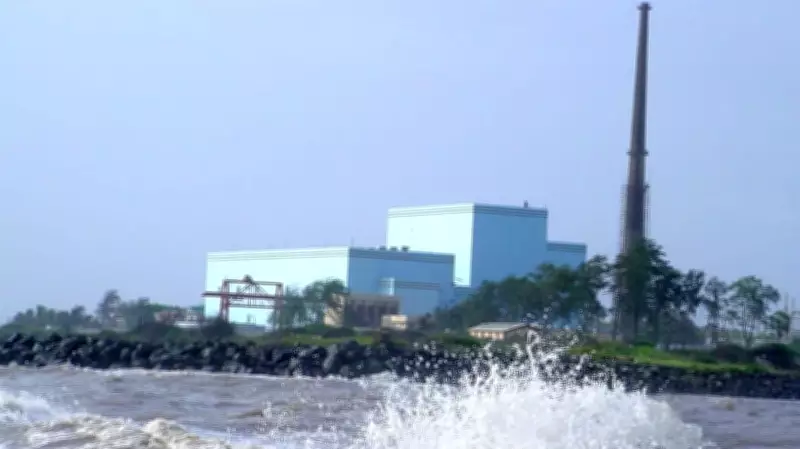
In a significant development for India's nuclear energy sector, Unit 1 of the Tarapur Atomic Power Station (TAPS) in Maharashtra has been successfully reconnected to the electricity grid. This milestone follows the completion of a comprehensive life extension program aimed at prolonging the operational lifespan of the aging reactor. The reconnection marks a crucial step in bolstering the nation's power generation capabilities and ensuring a stable energy supply.
Details of the Life Extension Program
The life extension initiative involved extensive refurbishment and modernization efforts to enhance the safety and efficiency of Unit 1. Engineers and technicians conducted thorough inspections, replaced critical components, and upgraded systems to meet contemporary regulatory standards. This program is part of a broader strategy to extend the operational life of India's older nuclear facilities, thereby maximizing their contribution to the country's energy mix without the need for immediate decommissioning.
The successful reconnection to the grid underscores the technical expertise and meticulous planning involved in the project. It also reflects the commitment of the Nuclear Power Corporation of India Limited (NPCIL) to maintaining and upgrading existing infrastructure. The extended lifespan of Unit 1 is expected to provide a reliable source of electricity for several more years, supporting industrial and residential needs in Maharashtra and beyond.

Impact on Maharashtra's Energy Landscape
The reconnection of Unit 1 is poised to have a positive impact on Maharashtra's energy landscape. By restoring this unit to operational status, the state gains additional megawatts of clean, baseload power, which is essential for meeting growing electricity demands. Nuclear energy plays a vital role in India's efforts to reduce carbon emissions and transition towards sustainable energy sources.
This development aligns with national objectives to enhance energy security and promote low-carbon power generation. The Tarapur plant, being one of India's oldest nuclear facilities, continues to be a cornerstone of the country's nuclear power program. Its continued operation after life extension serves as a testament to the durability and adaptability of nuclear technology.
Future Prospects and Safety Considerations
Looking ahead, the focus will remain on ensuring the safe and efficient operation of Unit 1 post-life extension. Regular monitoring, maintenance, and adherence to stringent safety protocols will be paramount. The experience gained from this project may inform similar life extension efforts for other nuclear units across India, contributing to the longevity and sustainability of the nation's nuclear fleet.
In summary, the reconnection of Tarapur's Unit 1 to the grid after its life extension is a noteworthy achievement in India's nuclear energy journey. It highlights the potential for extending the service life of existing nuclear assets while reinforcing the importance of nuclear power in meeting India's energy needs.