

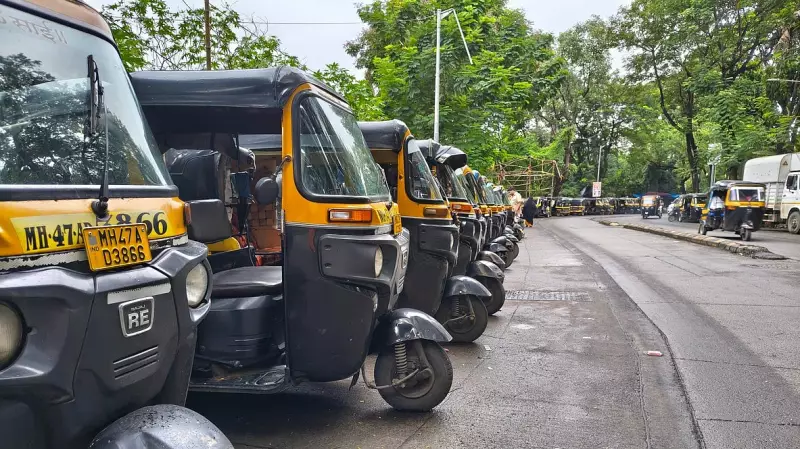
Mumbai's CNG Crisis Brings Transport to Near Standstill
The bustling city of Mumbai is grappling with a severe CNG crisis that has left thousands of taxi and auto-rickshaw drivers stranded in queues for hours. The situation reached a critical point on November 18, 2025, with most CNG refueling stations across the city witnessing unprecedented chaos from early morning hours.
Hours-Long Queues Replace Quick Refuels
What normally takes between 15 to 30 minutes has transformed into an agonizing wait of three to four hours for most drivers. The iconic black-yellow taxis and green autorickshaws that form the backbone of Mumbai's public transport system were particularly hard hit, with serpentine queues forming outside pumps operated by Mahanagar Gas Limited (MGL) and other providers.
Multiple drivers reported losing entire working days simply waiting for fuel. The usual quick refueling routine has become a day-long ordeal, significantly impacting their daily earnings and creating ripple effects across the city's transportation network.

Impact on Daily Commuters and Economy
The CNG shortage has created a domino effect on Mumbai's daily life. With auto-rickshaws and taxis spending hours in fuel queues, commuters faced reduced availability of public transport during peak hours. Many office-goers reported increased waiting times and higher fares as the supply-demand gap widened.
The economic impact extends beyond just the transport sector. Delivery services, small businesses relying on timely goods movement, and the general public navigating the city's vast expanse are all feeling the pinch of this prolonged fuel crisis.
The situation at MGL pumps, which serve a significant portion of Mumbai's CNG-dependent vehicles, remains particularly challenging. As the city waits for normalcy to return, drivers and commuters alike hope for immediate intervention to resolve this growing crisis that shows no signs of abating.






