

Fast Food Chains Embrace Premiumization in Indian Market
India's rapidly expanding eating-out market is witnessing a significant transformation as established western fast-food chains pivot toward premium offerings to compete with emerging gourmet brands. Major players including Domino's, Wendy's, Burger King, and McDonald's are strategically revamping their menus with sophisticated ingredients and international flavors to capture a more discerning consumer base.
Sourdough Revolution and Premium Pizza Wars
Domino's India, operated by Jubilant FoodWorks Ltd, made a bold move in September by launching sourdough pizzas starting at ₹349 - a substantial premium over their entry-level pizzas priced as low as ₹49. The naturally fermented dough, which eliminates commercial yeast, provides a distinctive crunchy texture and nutty flavor that has resonated unexpectedly well with consumers beyond metropolitan areas.
Sameer Khetarpal, CEO and Managing Director of Jubilant FoodWorks, expressed surprise at the widespread acceptance during the company's September quarter earnings call. "We are surprised by the uptake in tier-2 and tier-3 cities for a product like this. We thought it would be more metro-led," he noted. The sourdough category has rapidly become the fastest-growing segment within their pizza portfolio, contributing significantly to margin improvement.

The financial appeal of premium offerings becomes clear when examining production costs. Geetha Krishnan, founder of Bangalore-based tfk Kitchen, explained that authentic sourdough requires only flour, water, salt, and starter culture, making ingredient costs comparable to regular pizzas. While longer fermentation periods increase labor costs, economies of scale minimize this impact, meaning most of the price premium translates directly to profits.
Burger Chains Join the Premium Race
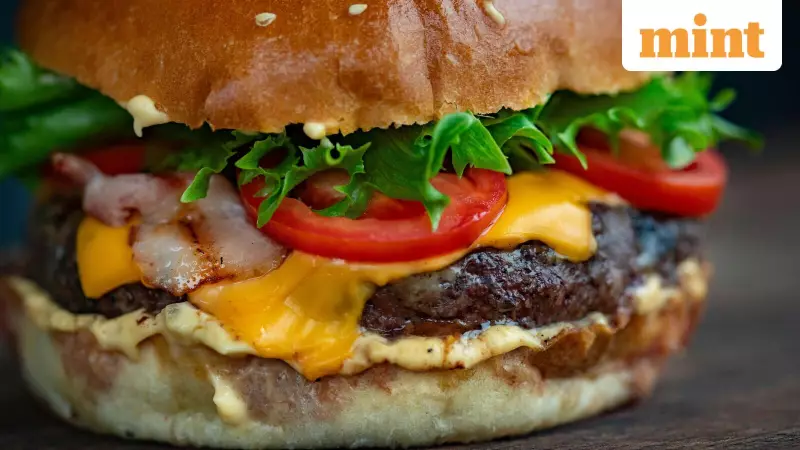
The premiumization trend extends beyond pizza chains. Burger King introduced Korean-inspired burgers as part of its limited-time premium offerings, with prices exceeding ₹200. According to Rajeev Varman, Group CEO of Restaurant Brands Asia, the Korean range performed exceptionally well, demonstrating consumer willingness to pay premium prices for innovative flavors.
Wendy's India, operated by Rebel Foods, has witnessed similar success with premium introductions. The chain launched flavors like chimichurri and Korean-inspired burgers, with these new items contributing 10-20% of category sales within the first six months. Nishant Kedia, Chief Marketing Officer for Rebel Foods India, noted that post-pandemic consumer behavior has evolved toward seeking "affordable premium options with differentiated flavors and upgraded experiences."
McDonald's restaurants in south and west India, operated by Westlife Foodworld, have responded to consumer demand for more substantial meals with their Big Yummy Burger range priced at ₹349. This represents a significant jump from their value offerings like the McAloo Tikki burger at ₹58, featuring double flame-grilled patties and premium ingredients that substantially enhance profit margins.
Market Dynamics Driving the Premium Shift
The strategic pivot toward premiumization comes as India's food service market demonstrates massive growth potential. According to a 2024 report by Swiggy and Bain & Co., India's eating-out and ordering-in market is projected to nearly double by 2030, reaching ₹9 trillion from the current ₹5.5 trillion. The addressable customer base is expected to expand from 320-340 million to 430-450 million during this period.
Karan Taurani, analyst at Elara Capital, highlighted in a November 13 report that premiumization and product innovation are key growth drivers that will support margin expansion through operating leverage and calibrated price hikes. However, he cautioned that increasing competitive intensity could challenge long-term success of these premium launches.

The proliferation of food delivery platforms like Zomato and Swiggy has dramatically expanded consumer choices, enabling niche brands like Si Nonna's, Good Flippin Burgers, and Louis Burger to gain significant market share. This competitive pressure has forced established chains to innovate beyond their traditional value-focused positioning.
While premium offerings are gaining traction, value meals priced around ₹100 remain core to business for most fast-food chains. Burger King continues to promote combinations like two burgers for ₹79-₹99 to drive footfall, indicating that the premium strategy complements rather than replaces their mass-market approach.
The ongoing transformation of India's fast-food landscape reflects changing consumer preferences and the industry's adaptation to a more competitive, digitally-driven market where quality and experience are becoming as important as price.





