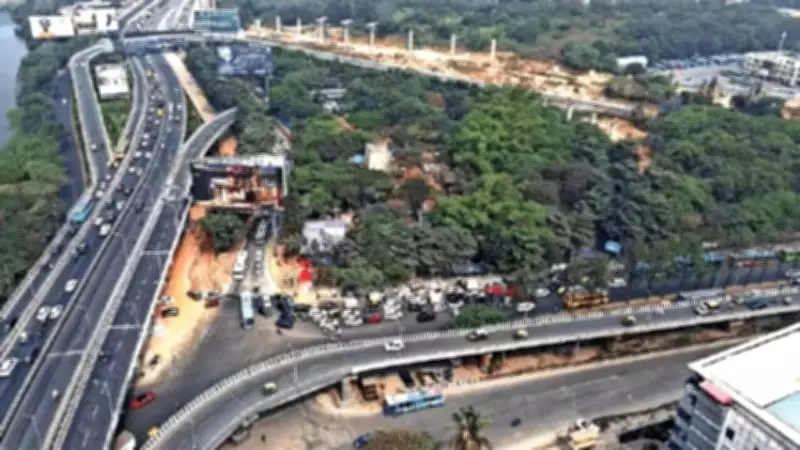
Bengaluru's Hebbal Flyover Ramp: A Decade of Delays Overcome in 18 Months of Dedicated Effort
In a remarkable feat of urban engineering, the Hebbal flyover downramp project in north Bengaluru has finally been completed, bringing much-needed relief to commuters after nearly a decade of planning delays and false starts. What was once a symbol of bureaucratic inertia has transformed into a testament to human perseverance, with the entire execution wrapped up in under 18 months.
Engineers' Race Against Time and Bureaucratic Hurdles
Bangalore Development Authority (BDA) engineers worked tirelessly, often sacrificing personal comforts to recover time lost over years. They slept on factory floors, survived on roadside meals, and gave up family time, festivals, and holidays to keep the project on track. This relentless dedication was crucial in overcoming the complex challenges that had stalled progress for so long.
Navigating Complex Construction Conditions
When construction resumed in early 2024, engineers faced a daunting task: managing active traffic flows, coordinating with railway operations, and working around overlapping Metro and other transport projects. This required constant, real-time problem-solving and meticulous planning to ensure safety and efficiency on the site.

Night Shifts and Intensive On-Site Supervision
To maintain momentum, BDA teams implemented night-time construction schedules and conducted over 100 on-site visits. This hands-on approach helped them address logistical and administrative challenges promptly, ensuring steady progress despite the tight deadlines and high-stakes environment.
Breaking Silos for Faster Execution
Executive engineers highlighted that abandoning a siloed work culture was key to finishing the project in 1.5 years—a process that typically takes three years. By taking ownership and fostering close coordination across departments, they streamlined operations and eliminated bottlenecks that had previously caused delays.
Overcoming Six Major Roadblocks
The project faced numerous obstacles, including:
- A scrapped steel flyover proposal that required redesign.
- Alignment clashes with ongoing Metro projects.
- The need to maintain a judicial traffic lane during construction.
- Rerouting vehicles through a temporary road to minimize disruption.
- Managing supply chain issues for critical materials.
- Ensuring worker safety in a high-traffic zone.
Personal Sacrifices Behind the Success
The human cost of this achievement was significant. Assistant executive engineer Sharan MS recalled overseeing bolt manufacturing in Ludhiana just a month after his wedding, while other team members admitted they barely saw their families during the intense project period. These sacrifices underscore the commitment required to turn a long-stalled vision into reality.
This project not only eases traffic congestion in north Bengaluru but also sets a precedent for how bureaucratic inertia can be overcome through determination, innovative problem-solving, and unwavering teamwork.