

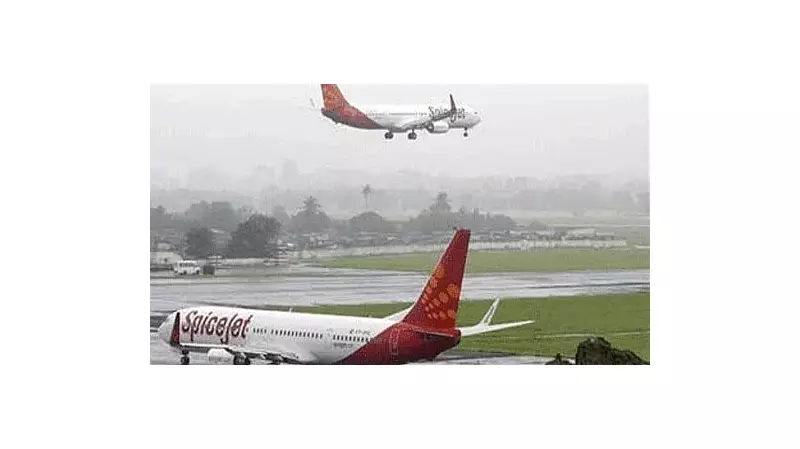
India's domestic aviation sector is bracing for significant financial turbulence as industry losses are projected to widen substantially during the current fiscal year, according to a recent analysis.
Projected Financial Setback for Airlines
The domestic aviation industry's losses may expand to Rs 9,500-10,500 crore this fiscal year, representing a concerning deterioration from previous financial performance. This assessment comes from a report by ICRA, which highlights the mounting challenges facing Indian carriers.
The report, updated on November 18, 2025, identifies several key factors contributing to this negative financial outlook. The aviation sector, which had been showing signs of recovery post-pandemic, now faces renewed pressure from changing market dynamics.

Key Factors Driving the Downturn
According to the analysis, moderating passenger growth has emerged as a primary concern for airline operators. After a period of robust recovery, the pace of passenger traffic expansion has slowed, affecting revenue streams at a critical time for the industry.
Compounding this challenge is the increased delivery of new aircraft across the industry. While fleet expansion typically signals growth ambitions, the current market conditions have turned this into a financial burden. The report specifically notes that these additional aircraft are driving up both capital expenditures and operational expenses simultaneously.
The combination of slower revenue growth and higher fixed costs creates a perfect storm for airline balance sheets. Airlines are facing pressure on multiple fronts with rising fuel costs, maintenance expenses, and staffing requirements adding to the financial strain.
Industry Implications and Future Outlook
This projected loss range of Rs 9,500-10,500 crore represents one of the most significant financial challenges the domestic aviation industry has faced in recent years. The scale of these potential losses could force airlines to reconsider expansion plans and implement cost-cutting measures.
The report suggests that the current market conditions require careful strategic planning from airline management teams. Carriers may need to reassess route profitability, optimize fleet utilization, and potentially delay some aircraft deliveries to better align capacity with demand.
Industry observers will be closely monitoring how airlines respond to these financial headwinds and whether government policies might provide some relief to the struggling sector. The coming months will be crucial for determining the long-term financial health of India's aviation industry.






