

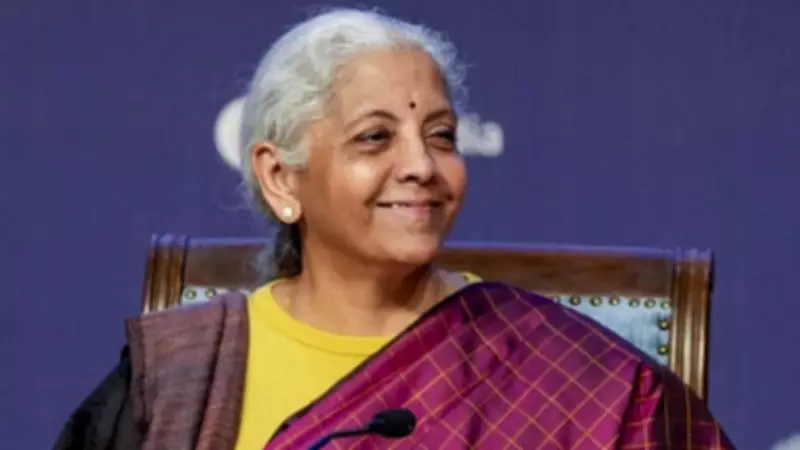
Finance Minister Nirmala Sitharaman has unequivocally stated that sustaining an economic growth rate of 7-8 percent stands as the government's paramount priority. This declaration underscores the administration's unwavering commitment to fostering a robust and resilient economy in the coming fiscal years.
Economic Growth at the Forefront
In a significant address, the Finance Minister highlighted that achieving and maintaining this ambitious growth target is central to the government's policy framework. This focus is expected to be a cornerstone of the upcoming Union Budget 2026, with strategic allocations and reforms aimed at stimulating various sectors of the economy.
Women's Rising Role in the Workforce
Beyond macroeconomic objectives, Sitharaman also shed light on a positive trend in the labor market. She noted that employers are increasingly acknowledging the substantial value that women bring to the workforce, attributing this recognition to their notable efficiency and precision in executing tasks.

This growing appreciation is visibly reflected in the rising number of women occupying semi-skilled roles across industries. The Finance Minister's remarks point to a gradual but significant shift towards greater gender inclusivity and the leveraging of diverse talents to enhance productivity and innovation within the Indian economy.
Implications for Policy and Development
The dual focus on high economic growth and women's empowerment suggests a holistic approach to national development. By prioritizing growth, the government aims to create more job opportunities and improve living standards, while the emphasis on women's participation seeks to tap into a vast reservoir of untapped potential, driving further economic dynamism.
As the nation anticipates the detailed proposals in the Union Budget 2026, these priorities are likely to translate into concrete measures designed to bolster investment, encourage entrepreneurship, and support skill development, particularly for women in semi-skilled and skilled domains.






