

Union Budget 2026 Navigates US Trade Pressures, Fortifies Domestic Industries
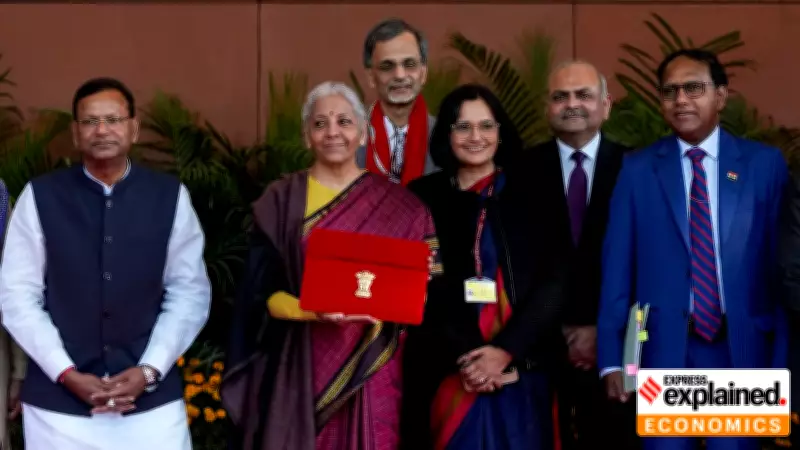
In a strategic move to counter the looming shadow of potential 50% US tariffs, Finance Minister Nirmala Sitharaman's Union Budget for 2026-27 has adeptly balanced international trade negotiations with robust domestic support. The budget explicitly accommodates several key demands from the United States, raised during ongoing bilateral trade talks, while simultaneously ramping up assistance for sectors most vulnerable to tariff impositions, including textiles, footwear, and marine products.
Tax Breaks and Duty Eliminations to Attract US Investment
A cornerstone of the budget's international outreach is the introduction of a tax holiday extending until 2047 for foreign companies providing cloud services to global customers through Indian data centers. This measure directly benefits leading American technology firms seeking to expand their footprint in India, addressing a specific US request for greater market access and fiscal incentives. The concession, however, comes with a stipulation: services to Indian customers must be routed through an Indian re-seller entity.
Further aligning with US interests, the budget proposes the elimination of customs duties on aircraft components and nuclear-generation equipment. Given the United States' dominant position as a global leader in aviation and a major exporter of nuclear reactor components, these duty removals signal India's commitment to facilitating long-term market access and deepening technological collaboration.

Comprehensive Support for Tariff-Vulnerable Domestic Sectors
Recognizing the acute pressure on labor-intensive industries, the budget unveils a multi-pronged strategy to enhance their resilience and competitiveness. For the textile sector, which contributes approximately 13% to industrial production and 12% to exports, a suite of initiatives has been announced. These include:
- Capital support for textile machinery in specialized clusters to modernize production.
- A targeted scheme to improve the availability of critical input items, addressing a persistent supply chain challenge.
- The launch of the National Fibre Scheme to promote self-reliance in natural, man-made, and new-age fibres.
- The Textile Expansion and Employment Scheme aimed at upgrading traditional clusters with technology and common testing facilities.
Similar targeted relief is extended to other vulnerable sectors. The budget eases the duty structure for labor-intensive industries by increasing the limit for duty-free imports of inputs for seafood processing from 1% to 3% of the previous year's export value. It also expands duty-free import benefits to shoe uppers and extends the export timeframe for leather and textile garments to one year.
Special Measures for SEZs and Addressing Global Supply Chain Woes
In response to distress calls from Special Economic Zones (SEZs) heavily reliant on the US market, Finance Minister Sitharaman announced a special one-time measure. This allows eligible manufacturing units in SEZs to sell goods to the Domestic Tariff Area at concessional duty rates, aiming to prevent job losses and utilize idle capacity caused by global trade disruptions.
Acknowledging persistent global logistics challenges, the budget allocates Rs 10,000 crore over five years for a container manufacturing scheme. This initiative seeks to reduce India's dependency on China, which manufactures about 95% of global containers, and to build a competitive domestic ecosystem, mitigating shortages that have plagued exporters since the pandemic.
The 2026-27 budget, therefore, presents a nuanced approach: securing strategic concessions in ongoing trade talks with the US while proactively building domestic bulwarks against external economic shocks. By focusing on modernization, input availability, and export facilitation, it aims to prepare key sectors for diversification and sustained growth in an uncertain global trade environment.






