
NMC Approves 100 Rickshaw Shelters for Kumbh Mela 2027
Nashik Municipal Corporation approves 100+ rickshaw shelters under PPP model for 2027 Simhastha Kumbh Mela, aiming to streamline auto operations and ease traffic.


Nashik Municipal Corporation approves 100+ rickshaw shelters under PPP model for 2027 Simhastha Kumbh Mela, aiming to streamline auto operations and ease traffic.
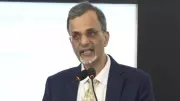
Chief Economic Adviser V Anantha Nageswaran says India's macroeconomic strength provides a cushion against global uncertainty, with the economy poised to emerge stronger from disruptions.
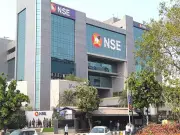
Indian stock markets opened sharply lower on Monday as crude oil prices surged past USD 120 a barrel, raising inflation fears. The Sensex fell 914 points and Nifty dropped 278 points.

Brent crude oil prices surged past USD 120 per barrel after former US President Trump stated that the blockade of the Strait of Hormuz will continue until Iran agrees to a new nuclear deal.

Shared lists with real-time sync. No signup needed — just open and shop together.
Recommended
The UAE's exit from OPEC may benefit India by enabling long-term oil deals at lower prices, thanks to geographical proximity and higher crude quality.
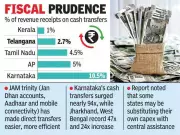
Telangana and Kerala allocate only 2.7% and less than 1% of revenue receipts to cash transfers, respectively, while Karnataka leads at 10.5%. Cash transfers have surged 53.6% annually across states.
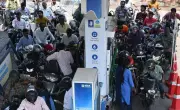
After two days of panic buying, fuel queues in Hyderabad eased on Wednesday. Supply ramped up by 132% for petrol and 210% for diesel. Officials urge no hoarding.

Rajasthan's LFPR stands at 45.4%, above national average, but women's participation lags at 35.5%, highlighting a persistent gender divide across rural and urban areas.

The US Federal Reserve kept interest rates unchanged at 3.5-3.75% due to inflation risks from rising global energy prices and Middle East tensions.
Shared lists with real-time sync. No signup needed — just open and shop together.
Recommended
India's growth requires citizens to make sacrifices and adjustments, fostering a collective spirit for national progress.
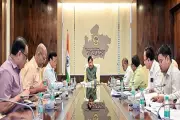
Madhya Pradesh CM Dr. Yadav emphasizes expanding horticulture area for global recognition. MP leads in spice production, ranks third in flowers and vegetables, fourth in fruits. Ujjain to get a Centre of Excellence for Floriculture.
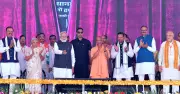
Prime Minister Narendra Modi inaugurated the Ganga Expressway, India's longest expressway, spanning 594 km from Meerut to Prayagraj, boosting development and employment.
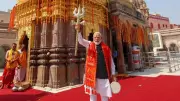
PM Modi inaugurated the 594-km Ganga Expressway from Meerut to Prayagraj, built at Rs 36,230 crore. The project links 12 districts, cuts travel time, and is expected to generate 3 lakh jobs.
EY report warns India's GDP growth could slip to 6% if crude oil averages $120/barrel in FY27, below IMF and World Bank projections.
Shared lists with real-time sync. No signup needed — just open and shop together.
Recommended
The Ganga Expressway will connect Purvanchal to Haridwar with multiple link corridors. Check the detailed routes and project updates here.

PM Modi will inaugurate the 594-km Ganga Expressway, connecting Meerut to Prayagraj in 6 hours via 12 districts. Check toll charges and project details.

Extreme heat of 42-47°C in Maharashtra is damaging vegetable crops, with farmers warning of steep production losses and likely price surges.

A power transformer explosion near Telephone Exchange in Neemuch caused a blackout in Revenue Colony. No injuries were reported. Officials suspect high temperatures and electrical load as causes.
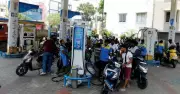
Panic buying of fuel across Hyderabad eased by evening after a chaotic morning. Authorities and dealers reassured the public and streamlined supply, ending long queues.
Shared lists with real-time sync. No signup needed — just open and shop together.
Recommended
Tamil Nadu achieves 10.8% economic growth in 2025-26, second consecutive double-digit rate, surpassing national average of 7.4%. CM Stalin and ministers credit Dravidian model.

The first phase of training for the socio-economic census in Amritsar South has concluded, preparing enumerators for data collection.
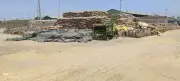
District authorities in Tarn Taran have ordered officials to expedite the wheat lifting process to ensure timely procurement and storage.
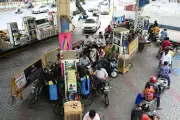
Panic buying of petrol and diesel persisted in Andhra Pradesh on Tuesday, with long queues and chaotic scenes at filling stations despite government assurances of adequate supply and imposed purchase limits.
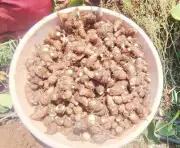
Telangana's Sajjapur Chamadumpa (Colocasia) moves closer to GI tag as application is technically accepted by GI Registry, boosting export prospects.
Shared lists with real-time sync. No signup needed — just open and shop together.
Recommended
The RBI bulletin highlights emerging pressure points from the West Asia conflict, including supply chain disruptions and rising energy prices, but remains confident in India's ability to withstand shocks due to strong macroeconomic fundamentals.
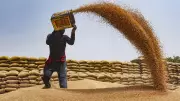
India has permitted the export of an additional 2.5 lakh tonnes of wheat, aiming to support global food security and utilize surplus stocks.
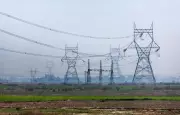
Recent rainfall in Punjab has brought relief from heat, reducing power demand to under 9000 MW. The dip eases strain on grid and cuts consumption.
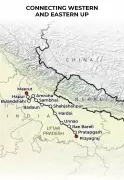
Uttar Pradesh's longest expressway is ready, aiming to transform the state's image and bridge its east-west economic divide. Can infrastructure lead the way?

Softel introduces a home flour mill that brings back traditional grinding, ensuring fresh and nutritious flour every day. The device is compact, easy to use, and preserves natural goodness.
Shared lists with real-time sync. No signup needed — just open and shop together.
Recommended
Liebherr presents cutting-edge refrigeration designs at Milan Design Week 2026, emphasizing seamless integration into modern living spaces and reinforcing its commitment to the Indian market.
