

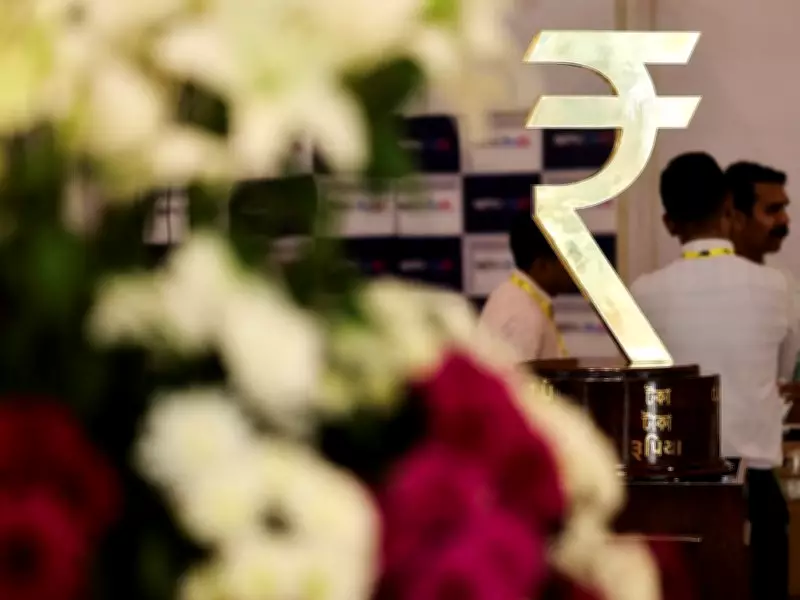
Indian Rupee Tumbles to Unprecedented Low Against US Dollar
The Indian rupee has plunged to a historic all-time low, reaching 92.52 against the US dollar in recent trading sessions. This significant depreciation marks a critical juncture for the currency, reflecting intense pressure from external economic factors and domestic market conditions.
Surge in Crude Oil Prices Fuels Currency Weakness
A primary driver behind the rupee's decline is the sharp and sustained surge in global crude oil prices. As India is a major importer of oil, higher costs for crude directly inflate the nation's import bill, increasing demand for US dollars to pay for these imports. This heightened demand for dollars exerts downward pressure on the rupee's value, exacerbating its depreciation against the greenback.
Market analysts note that the volatility in oil markets, influenced by geopolitical tensions and supply constraints, has created an unfavorable environment for emerging market currencies like the rupee. The ongoing fluctuations in crude prices are expected to continue impacting the forex market, potentially leading to further instability in the rupee's exchange rate.

Broader Economic Implications and Market Reactions
The rupee's record low has sparked concerns among economists and policymakers regarding its broader implications for the Indian economy. A weaker rupee can lead to increased costs for imported goods, contributing to inflationary pressures and affecting consumer spending. Additionally, it may raise the cost of servicing foreign debt, posing challenges for businesses and the government alike.
Financial markets have reacted with heightened volatility, as investors closely monitor the situation for signs of intervention or policy responses from the Reserve Bank of India (RBI). The central bank's potential measures to stabilize the currency, such as dollar sales or interest rate adjustments, are under scrutiny to mitigate the adverse effects of the depreciation.
- Increased import costs for oil and other commodities
- Risks of higher inflation and reduced purchasing power
- Potential impact on foreign investment and economic growth
Outlook and Future Trends
Looking ahead, the trajectory of the rupee will largely depend on the evolution of crude oil prices and global economic conditions. If oil prices remain elevated or climb further, the rupee could face additional downward pressure, necessitating strategic interventions from monetary authorities.
Experts emphasize the importance of monitoring key indicators, such as trade deficits and capital flows, to gauge the rupee's resilience in the coming months. While short-term volatility is anticipated, long-term stability will hinge on factors like domestic economic reforms and international market dynamics.

- Watch for RBI actions to support the currency
- Track global oil price trends and their impact
- Assess economic data for signs of recovery or strain





