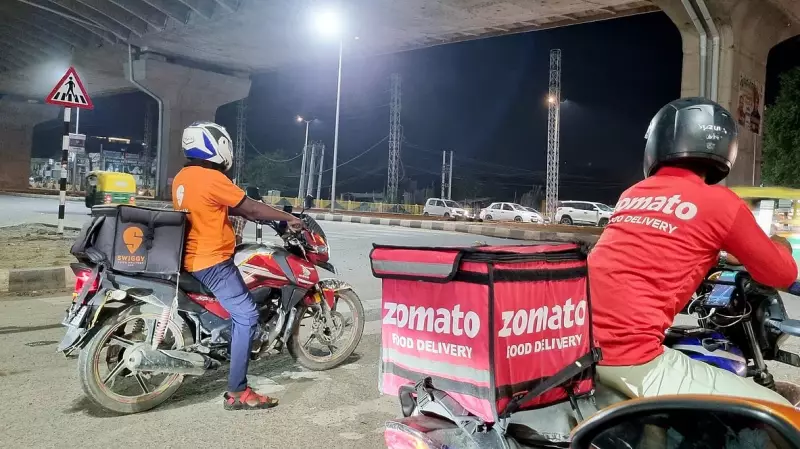
Gig workers powering India's booming quick-commerce sector have launched strikes in key cities, protesting against the grueling pressures of the now-standard 10-minute delivery model. However, the industrial action, which began on Monday, April 15, 2024, has so far had a limited effect on the operations of major platforms like Blinkit and Zepto.
The Core of the Dispute: Unrealistic Targets and Penalties
At the heart of the strike are the punishing demands placed on delivery partners. Workers associated with the Telangana Gig and Platform Workers Union (TGPWU) are leading the protest, highlighting a system they say is designed to exploit. Their primary grievances revolve around the algorithms and policies enforcing ultra-fast delivery windows.
Workers report being penalized for delays often caused by factors beyond their control, such as traffic, waiting at merchant stores, or navigating complex apartment complexes. The 10-minute delivery promise, a key selling point for these platforms, translates into immense stress and risky riding behavior for the executives. The union demands include a revision of these unrealistic delivery timelines, better base pay, and a more humane penalty structure that accounts for real-world obstacles.

Limited Disruption as Platforms Adapt
Despite the strike, services from Blinkit and Zepto have continued with minimal interruption in most areas, including parts of Hyderabad and Bengaluru. This resilience appears to be due to the platforms' strategies to mitigate such actions. Reports indicate that companies are actively onboarding new delivery partners to fill any gaps, leveraging the vast pool of available gig workers.
Furthermore, the decentralized nature of the protests and the lack of a pan-India coordinated strike have limited their overall impact. For many workers, the fear of losing income or being deactivated from the platform outweighs the potential benefits of prolonged strike action, leading to a fragmented response.
A Symptom of a Larger Crisis in Quick Commerce
This strike is not an isolated incident but a symptom of the growing tensions within the fast-expanding quick-commerce industry. The race to deliver groceries and essentials in minutes has created a high-pressure environment where worker welfare is often sidelined for speed and customer acquisition.
Industry experts point out that while the instant delivery model has revolutionized urban consumption, its sustainability is questionable without addressing the working conditions of its frontline workforce. The current protest underscores a critical need for dialogue between platform companies, worker collectives, and possibly regulators to establish fair work standards.
The future of quick commerce in India may hinge on finding a balance between consumer convenience and the dignity, safety, and fair remuneration of the gig workers who make these lightning-fast services possible. The limited effect of the current strike does not diminish the validity of the workers' concerns; it merely highlights the challenges of collective action in a digitally mediated, precarious employment landscape.