In a significant move aimed at formalizing the burgeoning platform-based workforce, the Indian government has proposed a clear eligibility criterion for gig workers to access social security benefits. The Ministry of Labour and Employment has put forward draft rules suggesting that a gig worker must be engaged in work for a minimum of 90 days in a year to qualify for coverage under the social security framework.
Details of the Draft Notification
The proposal is part of the draft rules formulated under the Social Security Code, 2020. This code is one of the four consolidated labour codes that were officially notified by the central government on November 21, 2025. Following this notification, the process of framing the specific operational rules began. The draft rules have now been pre-published to seek feedback from stakeholders, including platform companies, worker unions, and the public, before they are finalized and implemented.
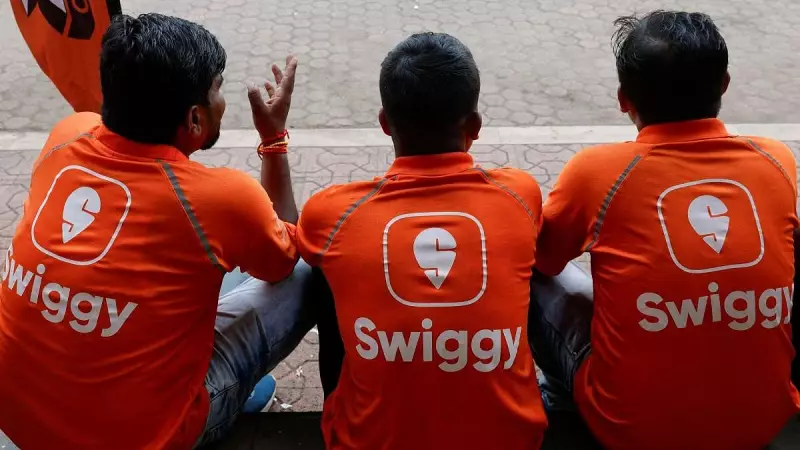
The move is seen as a foundational step in extending a safety net to millions of workers engaged with app-based platforms in sectors like ride-hailing, food delivery, and e-commerce logistics. The 90-day threshold is intended to distinguish between casual, sporadic platform users and those who rely on gig work as a substantial source of livelihood.

Implications for India's Gig Economy
This proposed rule brings much-needed clarity to the implementation of the Social Security Code for a segment that has long operated in a regulatory grey area. By setting an annual work benchmark, the government aims to define the beneficiary pool for schemes that may include provisions for accident insurance, health benefits, and old-age protection.
The development is poised to have major implications for both gig workers and the digital platforms that employ them. For workers, it promises a layer of formal recognition and security. For platforms, it introduces new compliance requirements and could potentially alter cost structures. The stakeholder feedback period is crucial to balance the welfare objectives with the operational realities of the dynamic gig economy.
Path Forward and Industry Response
The pre-publication of the draft rules on January 2, 2026, marks the beginning of a consultative phase. Industry associations and worker advocacy groups are expected to scrutinize the 90-day proposal and other related clauses closely. Key points of discussion will likely include the methodology for tracking workdays, the portability of benefits across platforms, and the specific nature of the social security schemes to be offered.
This initiative underscores the government's intent to adapt labour laws to the new realities of work shaped by technological platforms. The final rules, once notified after considering all feedback, will set the stage for a more structured and secure environment for one of the fastest-growing workforce segments in India.