Raniganj Assembly Seat: A Crucial Battleground for the 2026 West Bengal Elections
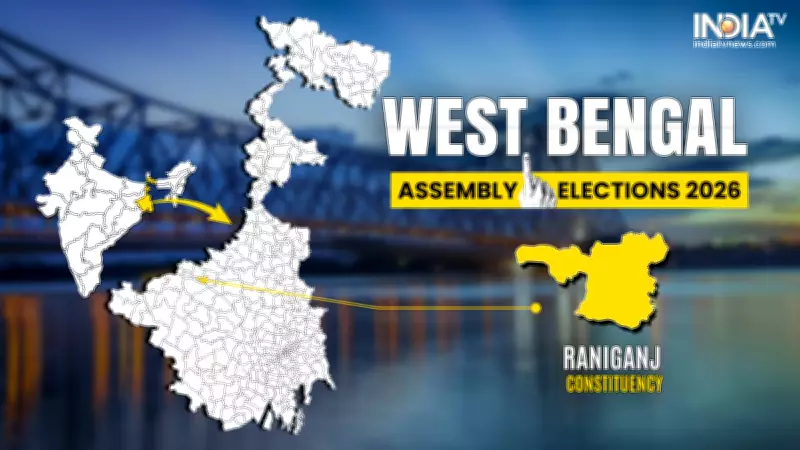
The Raniganj assembly constituency, located in the Paschim Bardhaman district of West Bengal, is poised to become a significant focal point in the upcoming 2026 state legislative assembly elections. This industrial and mining hub has a rich political history and is expected to witness intense competition between major political parties vying for control.
Historical Context and Past Winners
Raniganj has traditionally been a stronghold for the Communist Party of India (Marxist) during the Left Front era, but recent elections have seen a shift in political dynamics. In the 2021 West Bengal assembly elections, the seat was won by the All India Trinamool Congress (TMC) candidate, marking a notable change in voter sentiment. The victory margin in that election was substantial, reflecting the party's growing influence in the region.
Prior to that, the constituency had been represented by CPI(M) legislators for multiple terms, with the party maintaining a firm grip on the seat due to its strong organizational presence and support from trade unions in the mining sector. The transition to TMC in 2021 highlighted the changing political landscape in West Bengal, driven by factors such as economic issues, local governance, and anti-incumbency sentiments.
Analysis of Victory Margins and Electoral Trends
The victory margin in the 2021 elections was significant, with the TMC candidate securing a comfortable lead over rivals from the Bharatiya Janata Party (BJP) and the CPI(M). This margin indicates a consolidation of votes in favor of the ruling party, potentially due to its welfare schemes and development initiatives in the area. However, historical data shows that margins have fluctuated over the years, with close contests in some elections, suggesting that Raniganj remains a competitive seat.
In previous elections, the CPI(M) often won by narrower margins, especially during periods of political realignment. The BJP's emergence as a key player in recent years has added another layer of competition, with the party making inroads by focusing on national issues and local discontent. This three-way contest is expected to intensify in 2026, making the seat a bellwether for broader political trends in West Bengal.
Party-Wise Candidates and Strategies for 2026
As the 2026 elections approach, major parties are likely to field strong candidates in Raniganj to capitalize on its strategic importance. The TMC is expected to nominate a candidate with local roots and a track record of addressing community concerns, such as employment and infrastructure development. The party may emphasize its state government's achievements and welfare programs to retain voter support.
The BJP, aiming to expand its footprint in West Bengal, could select a candidate with appeal to both traditional and new voters, focusing on issues like national security and economic growth. The CPI(M) might opt for a veteran leader or a fresh face to revive its base, highlighting its legacy in labor rights and industrial policy. Other regional or independent candidates could also play a spoiler role, affecting the overall outcome.
Key strategies for parties include grassroots campaigning, addressing local issues like mining safety and environmental concerns, and leveraging social media to reach younger voters. The outcome in Raniganj will not only determine the local representative but also signal broader political shifts in the state, making it a seat to watch closely in the 2026 polls.