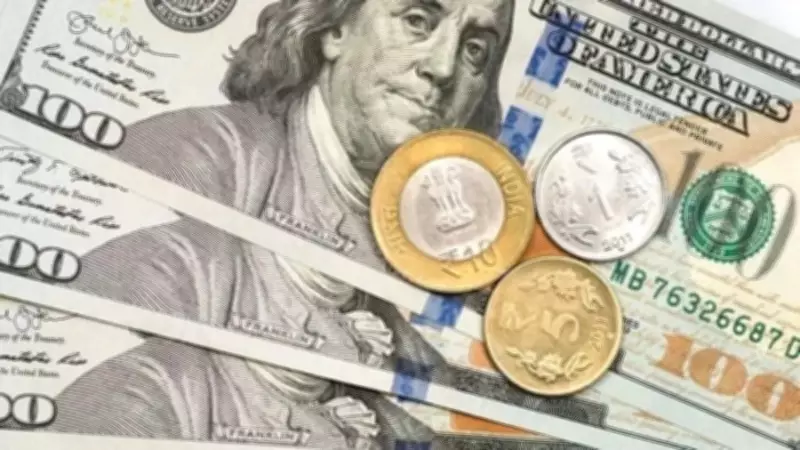
The Indian rupee showed a notable uptick in early trading on Wednesday, strengthening by 18 paise against the US dollar. This positive movement brought the rupee to a level of 91.75 per dollar, reflecting a slight but significant gain in the currency's value.
Factors Behind the Rupee's Appreciation
The rise in the rupee's value can be attributed to several key factors. Firstly, domestic equity markets exhibited a bullish trend, which often boosts investor confidence and supports the local currency. Additionally, there were reports of foreign fund inflows into Indian markets, providing further impetus for the rupee's appreciation against the dollar.
Market Sentiment and Economic Indicators
Market analysts have pointed out that the rupee's performance is closely tied to broader economic indicators and global market dynamics. The early trade gains suggest a positive sentiment among traders, potentially influenced by stable oil prices and expectations of supportive monetary policies from the Reserve Bank of India.

It is important to note that currency fluctuations are common in the forex market, and the rupee's value can be volatile based on international events and domestic economic data. However, this early trade rise indicates a temporary strengthening that could impact import and export calculations for businesses.
Comparison with Previous Sessions
In comparison to previous trading sessions, the rupee had been facing some pressure due to global uncertainties and rising inflation concerns. The current gain of 18 paise marks a reversal from recent trends, offering a brief respite for the currency. Traders will be closely monitoring upcoming economic releases and central bank announcements to gauge the rupee's future trajectory.
Implications for the Indian Economy
A stronger rupee can have mixed effects on the economy. On one hand, it may reduce the cost of imports, such as crude oil and electronics, potentially easing inflationary pressures. On the other hand, it could make Indian exports less competitive in international markets, affecting sectors like IT and manufacturing.
Overall, the rupee's early trade performance highlights the dynamic nature of currency markets and the interplay between domestic and global factors. Investors and policymakers alike will continue to watch these developments closely as they navigate the complexities of the forex landscape.