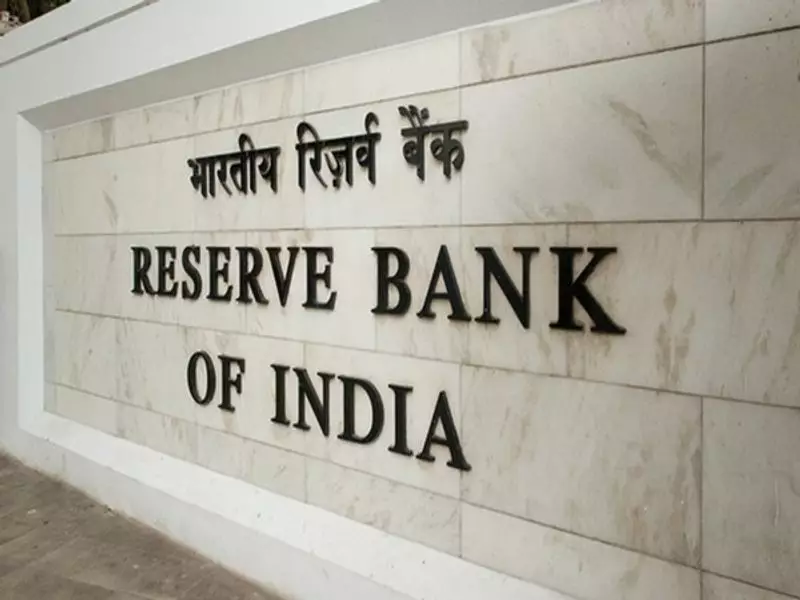
The Reserve Bank of India (RBI) has taken decisive steps to address the evolving liquidity conditions within the banking system, aiming to maintain financial stability and support the broader economic framework. In a significant move, the central bank announced a comprehensive set of measures designed to fine-tune liquidity management, ensuring that the banking sector remains resilient amid fluctuating economic dynamics.
Strategic Framework for Liquidity Management
The RBI's announcement underscores its proactive approach to monetary policy, focusing on optimizing liquidity to prevent any potential disruptions. By implementing these measures, the central bank seeks to balance the supply and demand of funds in the market, thereby fostering a conducive environment for credit growth and investment. This strategic framework is expected to enhance the efficiency of monetary transmission, allowing banks to better align their lending rates with policy benchmarks.
Key Components of the RBI's Initiative
The measures introduced by the RBI encompass several key components aimed at managing short-term and long-term liquidity. These include adjustments in open market operations, refinancing facilities, and targeted interventions to address sector-specific needs. The central bank has emphasized the importance of maintaining adequate liquidity buffers to mitigate risks associated with market volatility and external shocks.

Impact on Banking Operations: The RBI's initiatives are likely to influence banking operations by providing greater clarity and predictability in liquidity management. Banks can now leverage these measures to optimize their asset-liability management, reducing dependency on volatile funding sources. This, in turn, is anticipated to strengthen the overall health of the financial system, promoting sustainable economic growth.
Broader Economic Implications
Beyond the banking sector, the RBI's liquidity management measures hold significant implications for the broader Indian economy. By ensuring stable liquidity conditions, the central bank aims to support key economic activities, including consumer spending, business investments, and infrastructure development. This approach aligns with the government's efforts to stimulate economic recovery and achieve long-term developmental goals.
Enhanced Monetary Policy Effectiveness: The RBI's latest actions are expected to enhance the effectiveness of its monetary policy framework. By fine-tuning liquidity, the central bank can better control inflation, manage exchange rate stability, and foster an environment conducive to economic expansion. These measures reflect the RBI's commitment to adapting its strategies in response to evolving domestic and global economic trends.
Future Outlook and Monitoring
The RBI has indicated that it will continue to monitor liquidity conditions closely, making adjustments as necessary to address emerging challenges. The central bank's forward-looking approach involves regular assessments of market dynamics, ensuring that its measures remain relevant and effective in promoting financial stability. Stakeholders, including banks, financial institutions, and investors, are advised to stay informed about these developments to navigate the evolving landscape successfully.
In summary, the RBI's announcement of measures to manage liquidity conditions marks a pivotal step in reinforcing the resilience of India's banking system. By prioritizing stability and growth, the central bank is laying a strong foundation for sustained economic progress, benefiting all sectors of the economy.