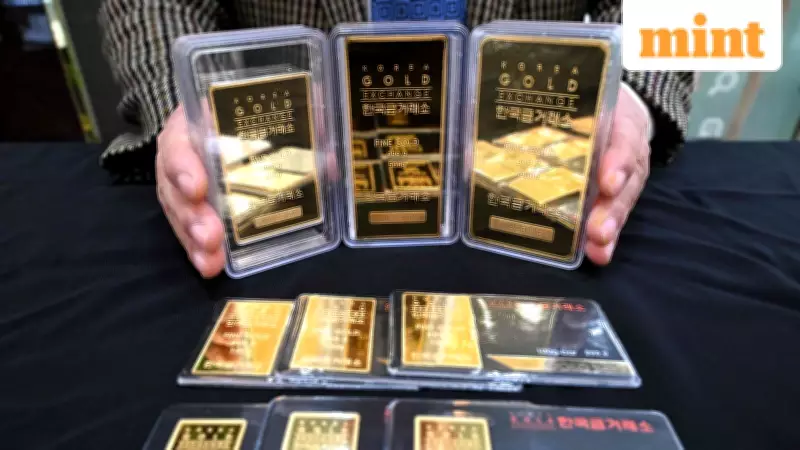
Gold and Silver Prices Plunge in Major Correction Phase
Precious metals markets are witnessing a significant downturn as gold and silver prices undergo a deep correction. This sharp decline is primarily driven by hectic profit booking activity following stellar gains over the past year, combined with increased margin requirements from the Chicago Mercantile Exchange (CME), a strengthening US dollar, and reduced geopolitical tensions that had previously supported safe-haven demand.
Magnitude of the Price Collapse
The correction has been particularly severe in Indian markets. Gold rates on MCX February futures have crashed by over ₹47,000 per 10 grams, representing a dramatic 26% decline from recent peak levels. Meanwhile, silver March futures on MCX have experienced an even more substantial drop of ₹1.94 lakh, translating to a staggering 46% decrease from their highest points.
Primary Triggers Behind the Sell-Off
CME Margin Requirement Increases: The most immediate catalyst for the precious metals sell-off has been concerns surrounding upcoming hikes in margin requirements by the CME. Market experts fear these changes will reduce liquidity and dampen speculative trading activity in both gold and silver markets.

For gold futures, margins will increase from 6% to 8% for non-heightened risk positions, while heightened risk positions will see margins rise from 6.6% to 8.8%. Silver futures face even more substantial adjustments, with margins for non-heightened risk positions increasing to 15% from 11%, and heightened risk positions rising to 16.5% from 12.1%.
Dollar Strength: The US dollar's appreciation against global peers has further contributed to the precious metals downturn. The dollar index has climbed above 97 following US President Donald Trump's nomination of Kevin Warsh as the next Federal Reserve chair. Although Trump claimed Warsh favors lower interest rates, market perception views him as hawkish on monetary policy, strengthening the dollar and pressuring dollar-denominated commodities like gold and silver.
Investment Opportunities Amid the Correction
Despite the sharp decline, many market experts believe the current correction presents attractive entry points for long-term investors. Prices are expected to remain volatile in the near term, prompting suggestions that short-term traders should remain cautious. However, those with longer investment horizons can consider accumulating positions during price dips.
Jigar Trivedi, Senior Research Analyst at IndusInd Securities, commented: "Overall, the current level is a very good level to start accumulation. Comex gold may find support near $4,550 per troy ounce and rebound soon. We expect MCX gold to settle around ₹1,35,000 per 10 grams. From there, we may experience a new wave of the rally in the bullion."
Fundamental Factors Supporting Long-Term Outlook
Experts highlight several underlying factors that continue to support precious metals despite current corrections:
Market Cycle Dynamics: Unlike previous rallies driven primarily by inflation or speculative excess, today's precious metals movement is rooted in deeper macroeconomic and monetary realignments. Gold functions as a barometer for global uncertainty, responding to geopolitical tensions, central bank policies, and interest rate fluctuations. Silver demonstrates greater sensitivity to industrial demand and economic shifts.
De-Dollarization Trends: Anindya Banerjee, Head of Currency and Commodity Research at Kotak Securities, identifies a larger monetary reset underway: "Rapid de-dollarisation and de-globalisation are dismantling the post-Bretton Woods monetary order. This is a repricing of money itself. Gold and silver—the original, time-tested forms of money—are reclaiming the reserve-currency premium long monopolised by fiat currencies, most notably the US dollar."
Banerjee outlines a two-stage process where precious metals first rise aggressively against the dollar, followed by potential dollar depreciation against BRICS+ currencies including the Indian rupee.

Silver's Industrial Demand: Silver occupies a unique position at the intersection of monetary assets and industrial commodities. The market already faces structural deficits, with silver demand driven by three powerful trends: green energy transition, electrification, and electronics manufacturing. This combination of monetary insurance and industrial scarcity creates a compelling case for silver investment.
Portfolio Allocation Considerations
Wealth managers typically recommend allocating 10-15% of investment portfolios to precious metals. However, the substantial price appreciation over the past year has challenged conventional allocation practices.
Manish Srivastava, Executive Director at Anand Rathi Wealth Limited, notes: "This confirms that gold is a defensive asset rather than a growth asset, and works best as a substitute for the debt allocation in the portfolio, not as a replacement for equity, which is the true growth asset. Silver has struggled to consistently beat either equity or gold over ten-year periods."
For Indian investors, rupee depreciation has provided an additional tailwind, magnifying returns beyond what international investors experience. However, this currency premium could partially unwind during rupee appreciation phases, potentially compressing medium-term returns without eliminating the structural bull case for precious metals.
Disclaimer: This analysis is for educational purposes only. The views expressed belong to individual analysts and broking firms. Investors should consult certified experts before making investment decisions, as market conditions can change rapidly.