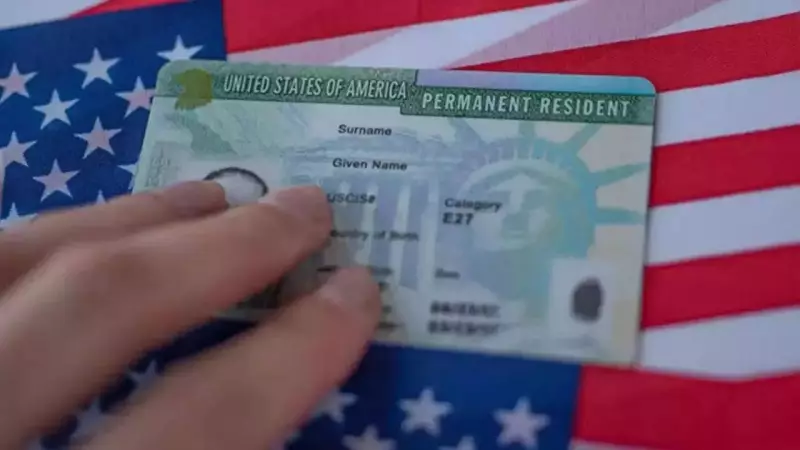
US Visa Pause Could Create 50,000 Extra Employment Green Cards by 2027
The temporary suspension of immigrant visas from 75 countries, which began on January 21, is projected to potentially add around 50,000 employment-based Green Card quotas in 2027. This significant development occurs as unused family-based Green Card quotas are expected to pass on to employment-based categories the following year, provided they remain unutilized.
Historical Precedent and Expert Analysis
Immigration experts have pointed out that a similar situation unfolded during the Covid-19 pandemic, which resulted in Priority Dates advancing by approximately 4 to 5 years. This historical context provides a framework for understanding the potential impacts of the current visa pause.
Emily Neumann, an experienced immigration attorney, conducted a thorough analysis of the data from all 75 countries on the ban list. Her research aimed to estimate the potential spillover of family-based Green Card quotas into employment-based categories for the upcoming year.

Quantifying the Potential Impact
According to Neumann's calculations, approximately 67,000 immigrant visas would have been allocated to these 75 countries in the current fiscal year if the ban had not been implemented. However, since the ban took effect after the first quarter of the fiscal year (which began on October 1), there could be an estimated 50,000 spillover Green Cards if the restrictions remain in place through September 2026.
Citing data from 2024, Neumann confirmed that Pakistan had the highest number of family-based Green Card quotas at 15,000, followed closely by Bangladesh with 8,000. Both of these nations have been included in the immigrant visa ban list, contributing significantly to the potential spillover effect.
Understanding the Visa Ban Details
The Trump administration announced a comprehensive list of 75 countries from which it will not process any immigration visa requests at this time. This ban will remain effective until the administration completes a reassessment of welfare benefits utilization by nationals from these countries.
The complete list of affected countries includes:
- Afghanistan
- Albania
- Algeria
- Antigua and Barbuda
- Armenia
- Azerbaijan
- The Bahamas
- Bangladesh
- Barbados
- Belarus
- Belize
- Bhutan
- Bosnia and Herzegovina
- Brazil
- Cambodia
- Cameroon
- Cape Verde
- Colombia
- Côte d’Ivoire
- Cuba
- The Democratic Republic of the Congo
- Dominica
- Egypt
- Eritrea
- Ethiopia
- Fiji
- The Gambia
- Georgia
- Ghana
- Grenada
- Guatemala
- Guinea
- Haiti
- Iran
- Iraq
- Jamaica
- Jordan
- Kazakhstan
- Kosovo
- Kuwait
- Kyrgyzstan
- Laos
- Lebanon
- Liberia
- Libya
- North Macedonia
- Moldova
- Mongolia
- Montenegro
- Morocco
- Myanmar
- Nepal
- Nicaragua
- Nigeria
- Pakistan
- The Republic of the Congo
- Russia
- Rwanda
- Saint Kitts and Nevis
- Saint Lucia
- Saint Vincent and the Grenadines
- Senegal
- Sierra Leone
- Somalia
- South Sudan
- Sudan
- Syria
- Tanzania
- Thailand
- Togo
- Tunisia
- Uganda
- Uruguay
- Uzbekistan
- Yemen
Clarifying Visa Categories
It is important to note that this ban specifically targets immigrant visas, which are sought by individuals intending to establish permanent residence in the United States. The restrictions do not affect non-immigrant visas, meaning that H-1B visa holders, international students, and travelers from these 75 countries can continue their applications and travel plans without interruption.
This distinction ensures that temporary work, study, and tourism arrangements remain unaffected by the current policy changes, while only permanent immigration pathways face temporary suspension.