

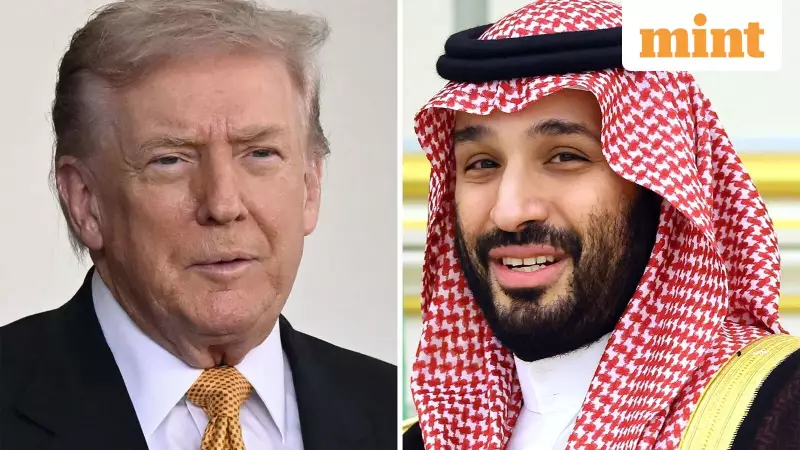
In a significant development for international defense relations, US President Donald Trump confirmed on Monday, November 17, that the United States will proceed with the sale of advanced F-35 stealth fighter jets to Saudi Arabia. This announcement comes despite ongoing internal concerns within the administration about potential technology security risks.
Strategic Partnerships and Nuclear Cooperation
The confirmation of this major arms deal coincides with Crown Prince Mohammed bin Salman's first official visit to Washington in more than seven years. This high-profile diplomatic engagement is expected to yield substantial economic benefits for both nations.
Saudi Arabia is preparing to announce a multibillion-dollar investment in American artificial intelligence infrastructure, according to senior administration officials. Additionally, both countries are set to reveal new cooperation initiatives in the civil nuclear energy sector, signaling a deepening of their strategic partnership beyond traditional defense arrangements.

Regional Security Concerns and Congressional Scrutiny
The proposed F-35 sale has raised several significant concerns among security experts and administration officials. Primary among these is the potential impact on Israel's qualitative military edge in the region, which US policy has traditionally sought to maintain.
Equally troubling for many observers are the fears that advanced F-35 technology could be compromised through Saudi Arabia's growing relationship with China. Bradley Bowman of the Foundation for Defense of Democracies highlighted that Congress will likely press the administration for detailed assurances from Riyadh regarding its relationship with Beijing before approving any such transfer of sensitive military technology.
Linking Arms Sales to Middle East Peace Efforts
President Trump directly connected the arms deal to his administration's broader Middle East peace strategy, specifically expressing hope that Saudi Arabia will join the Abraham Accords. Speaking aboard Air Force One, the president stated, "I hope that Saudi Arabia will be going into the Abraham Accords very shortly."
However, Saudi officials have maintained a consistent position that meaningful progress toward establishing a Palestinian state remains a prerequisite for normalizing relations with Israel—a condition that the Israeli government strongly opposes.
The Washington visit marks Prince Mohammed's first return to the American capital since the 2018 murder of journalist Jamal Khashoggi. US intelligence agencies concluded that the crown prince likely approved the killing, though he continues to deny any involvement.
This complex web of strategic interests, security concerns, and human rights considerations creates a challenging backdrop for one of the most significant arms deals and diplomatic engagements in recent US-Saudi relations.






