

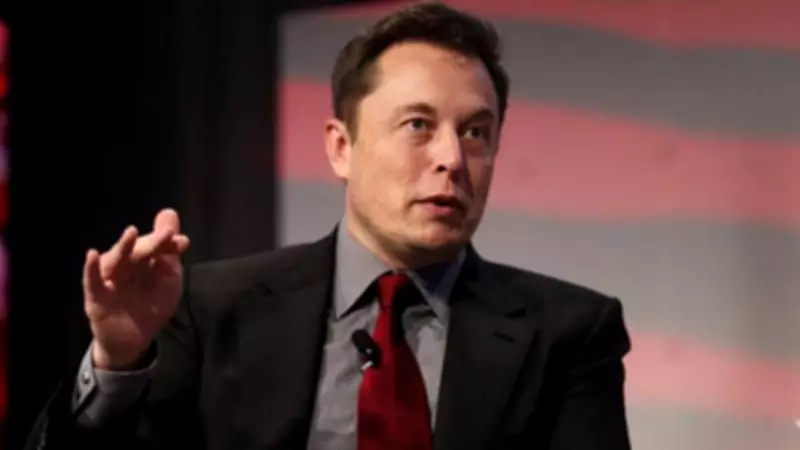
In a significant observation on the evolving global economic landscape, tech billionaire Elon Musk has pointed to China and India as the primary engines propelling worldwide growth. According to Musk, these two Asian giants are collectively responsible for driving a substantial 43% of global economic expansion, signaling a profound shift in the international balance of power.
The Dual Engines of Global Growth
Elon Musk, the visionary behind companies like Tesla and SpaceX, has underscored the critical role played by China and India in shaping the future of the global economy. His remarks highlight how these nations are not merely participants but dominant forces in the current growth narrative. With their massive populations, rapid technological adoption, and expanding industrial bases, China and India are redefining economic dynamics on a planetary scale.
Quantifying the Contribution
The assertion that China and India contribute 43% to global growth is a testament to their accelerating influence. This figure reflects a combination of factors including robust manufacturing output, burgeoning consumer markets, and innovative strides in sectors such as renewable energy and digital infrastructure. Musk's analysis suggests that traditional economic powerhouses in the West are increasingly being complemented, and in some areas surpassed, by the momentum generated in Asia.

Implications of the Shifting Power Balance
Musk's commentary goes beyond mere statistics to address the broader geopolitical implications. The shifting balance of power towards China and India is reshaping international relations, trade patterns, and technological leadership. As these nations assert their economic clout, global institutions and policies are likely to undergo significant transformations to accommodate their rising stature.
China's Strategic Advancements
China, with its state-driven economic model and focus on high-tech industries, has emerged as a formidable competitor in areas like artificial intelligence, electric vehicles, and space exploration. Musk's own ventures, particularly Tesla's operations in China, exemplify the strategic importance of engaging with this market. The country's ability to scale innovations rapidly positions it as a central player in the global growth story.
India's Demographic and Digital Dividend
India, on the other hand, leverages its demographic advantage and digital transformation initiatives to fuel growth. With a young population and increasing internet penetration, India is becoming a hub for software development, startup innovation, and service exports. Musk has previously expressed interest in India's potential, particularly in the context of electric mobility and renewable energy, aligning with his global sustainability goals.
Future Trajectories and Global Responses
Looking ahead, the dominance of China and India in global growth is expected to intensify, driven by continued urbanization, technological investments, and policy reforms. Musk's insights prompt a reevaluation of how other nations and corporations can collaborate with or compete against these rising powers. The balance of power is not static, and as Musk notes, it is changing in favor of regions that demonstrate agility and ambition.
In conclusion, Elon Musk's perspective serves as a crucial reminder of the dynamic nature of global economics. With China and India at the forefront, accounting for 43% of growth, the world is witnessing a historic realignment of influence and opportunity. Stakeholders across sectors must adapt to this new reality to thrive in an increasingly multipolar world.






