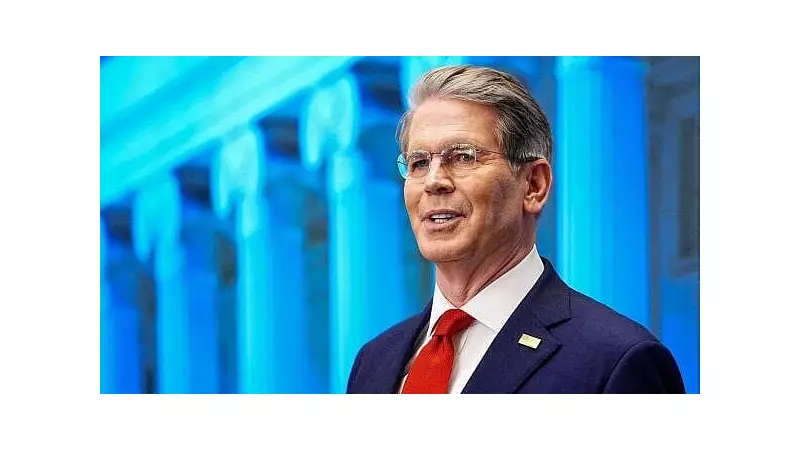
In a significant development for India's energy imports and international trade relations, US Treasury Secretary Janet Yellen has indicated a potential pathway to remove the 25% tariff imposed on India for purchasing Russian oil. This move comes amid ongoing diplomatic discussions between the two nations, reflecting efforts to address economic pressures and strategic partnerships in the global oil market.
Background of the Tariff and Its Implications
The 25% tariff was initially imposed as part of broader US sanctions targeting Russia, aimed at curbing its oil revenues following geopolitical tensions. India, as a major importer of crude oil, has continued to buy Russian oil at discounted prices, leading to the imposition of this tariff by the US. This has created economic friction, with India seeking exemptions or reductions to support its energy security and economic stability.
Janet Yellen's Statements and Diplomatic Efforts
During recent engagements, Secretary Yellen highlighted that the US is open to discussions on removing the tariff, citing the importance of maintaining strong bilateral ties with India. She emphasized that any decision would consider India's energy needs and the broader context of global oil supply dynamics. This signals a shift towards more flexible approaches in US foreign policy, balancing sanctions enforcement with strategic alliances.

Key factors influencing this potential removal include:
- India's role as a key democratic partner in the Indo-Pacific region.
- The economic impact of the tariff on India's inflation and growth prospects.
- Ongoing efforts to diversify oil sources and reduce dependency on any single supplier.
Potential Outcomes and Global Reactions
If the tariff is removed, it could lead to several positive outcomes for India, such as reduced import costs and enhanced energy security. However, it may also draw criticism from other nations aligned with US sanctions, potentially affecting global oil market dynamics. The move is seen as part of a broader trend where the US is reassessing its tariff policies to foster stronger economic cooperation with allies.
Experts suggest that this development could pave the way for more collaborative energy strategies between the US and India, including investments in alternative energy sources and joint initiatives to stabilize oil prices.
Looking Ahead: What This Means for India-US Relations
The potential removal of the 25% tariff underscores the evolving nature of India-US relations, with both nations navigating complex geopolitical landscapes. It highlights a pragmatic approach where economic interests and diplomatic ties are prioritized, potentially setting a precedent for how the US handles similar cases with other countries importing Russian oil.
As discussions continue, stakeholders in India's energy sector are closely monitoring the situation, hopeful for a resolution that supports the country's economic growth and energy independence.