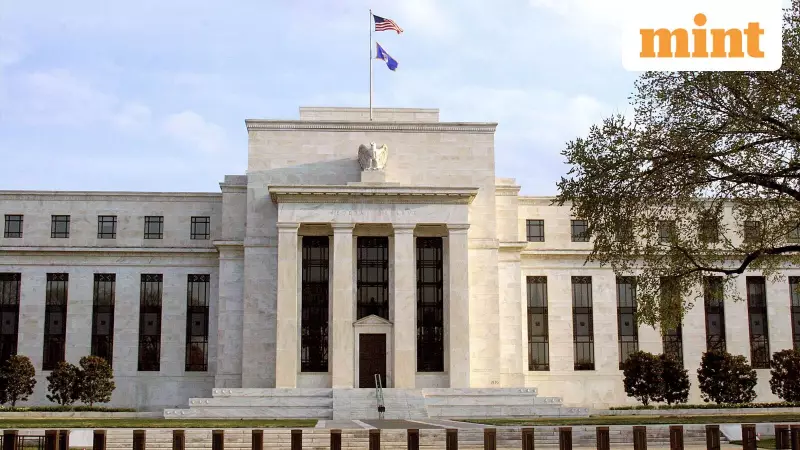
US Federal Reserve's Rate Decision: Economic Realities Trump Political Pressure
As the United States Federal Reserve commences its crucial two-day monetary policy review this Tuesday, all eyes are on whether America's central bank will bow to political pressure or stand firm on economic fundamentals. Despite President Donald Trump's persistent public demands for interest rate reductions, current economic conditions present a compelling case against monetary easing at this juncture.
Inflation Concerns and Economic Momentum
The most significant factor working against rate cuts is the persistent inflationary pressure in the US economy. Consumer prices continue to hover above the Federal Reserve's established 2% target, with indications that inflation could accelerate further as economic momentum builds. This growth trajectory has been fueled by previous rate reductions, creating an environment where additional monetary stimulus appears counterproductive.
Recent economic data, now available after previous government shutdown-related gaps, reveals an economy that has maintained relative stability since the Fed's last rate decision. This continuity in economic indicators strengthens the argument for maintaining the current policy stance rather than implementing further cuts.

The Powell Transition and Future Uncertainty
A significant element of uncertainty surrounds the impending leadership transition at the Federal Reserve. Current Chair Jerome Powell is scheduled to exit his role in May, with President Trump expected to announce his replacement imminently. This pending change has sparked intense speculation about the future direction of US monetary policy formulation.
Market analysts suggest that once Powell departs, investor expectations may undergo a substantial shift. However, this transition might not necessarily foster optimism regarding borrowing costs. The concern centers on whether the Federal Reserve can maintain its cherished independence amid potential political interference.
Global Implications of Fed Independence
The stakes extend far beyond domestic economic management. As noted by Harvard professor Gita Gopinath, global financial markets are closely monitoring the Federal Reserve's autonomy. Any perceived erosion of the central bank's independence could represent a watershed moment for the US dollar's dominant position in international finance.
The dollar's credibility as a fiat currency is intrinsically linked to the Federal Reserve's reputation for independent, data-driven decision-making. Should this credibility diminish, the United States could eventually lose its privileged access to inexpensive credit in global markets—a development with profound implications for both the American economy and worldwide financial stability.
Most financial observers anticipate that the Federal Reserve will maintain its current interest rate position during this week's meeting, with expectations that this status quo may persist until approximately mid-year. The central bank appears poised to prioritize economic indicators over political preferences, reinforcing its commitment to data-dependent policymaking despite unprecedented public pressure from the White House.