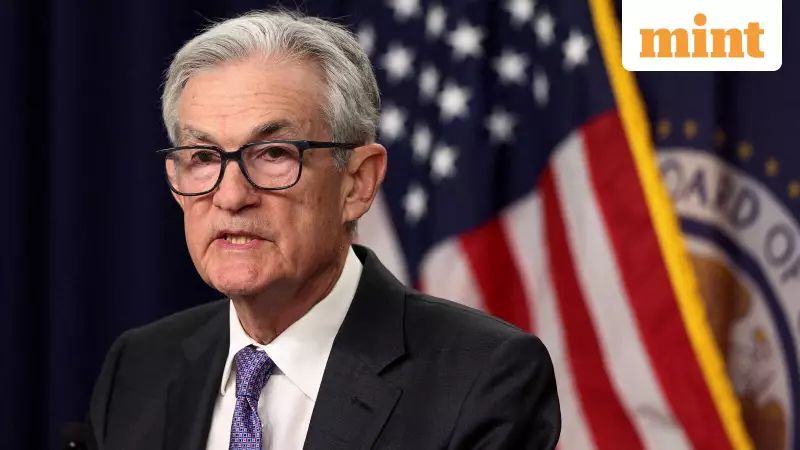
The ongoing criminal investigation into U.S. Federal Reserve Chair Jerome Powell is far more than a simple inquiry into cost overruns. It represents a calculated move by President Donald Trump to seize control of the world's most powerful central bank. This action serves as a direct warning to Powell's likely successors, Trump advisers Kevin Hassett and former Fed governor Kevin Warsh, about the consequences of defying presidential demands on monetary policy.
The Real Target: Fed's Autonomy
At its core, the investigation is about power. Since his return to the White House a year ago, President Trump has systematically dismantled barriers separating the presidency from other federal authorities. He has fired Democratic members of agencies like the Federal Trade Commission against legal advice, removed career officials in justice and defense deemed disloyal, and overstepped congressional spending authority. The Federal Reserve, protected by law and tradition to operate independently from political pressure on interest rates, remained a notable holdout—until now.
Traditionally, presidents have pressured the Fed behind closed doors while publicly upholding its independence. Trump has abandoned this precedent. He openly insists on having a say over interest rates, and his administration views Fed independence as conflicting with the president's supreme executive authority. Although Trump appointed Powell during his first term, he became frustrated last year when Powell resisted deeper rate cuts, partly due to inflation fueled by Trump's tariffs.

A Pattern of Pressure and Pretext
Faced with a Supreme Court signal that he cannot fire Powell or other Fed governors without cause, Trump has sought to engineer that cause. In August, he attempted to remove Governor Lisa Cook over alleged mortgage application issues, which she denied. His stated goal was to replace her with a loyalist to gain a majority on the seven-member Board of Governors, which sets interest rates along with reserve bank presidents. "Once we have a majority, housing is gonna swing and it's gonna be great," Trump said.
The current attack on Powell, initiated by Federal Housing Finance Agency director Bill Pulte, focuses on budget overruns for renovations to the Fed's headquarters. The Department of Justice is scrutinizing Powell's congressional testimony on the project. Powell calls this a pretext for his refusal to bend to Trump's wishes, a claim Trump denied to NBC News on Sunday, January 12, 2026.
However, the administration's ferocity is telling. Federal projects, including Trump's own, routinely exceed budgets without similar legal pursuit. The cost of Trump's White House ballroom doubled from $200 million to $400 million, and the border wall project, initially estimated at $8-$12 billion to be paid by Mexico, has now earmarked over $60 billion in U.S. funds.
A Chilling Message for the Future
Fed historian Mark Spindel notes the investigation's design and intent mirror earlier efforts. "Trump wants not just lower rates, but control of the board," Spindel said. Treasury Secretary Scott Bessent and Trump aim to make sweeping changes to bank supervision and market interventions.
The immediate message to Hassett and Warsh is clear: maintain independence at your peril. While both claim they will be independent, the investigation into Powell is a powerful incentive to align with Trump's desires. The broader message to all Fed officials is that defiance invites invasive scrutiny of their backgrounds and statements to find a removal pretext.
It remains unclear if Powell will be indicted or convicted. Prosecutors must prove a "knowingly and willfully" made false statement that is "materially" false—a high bar. Similar cases against Trump allies have faltered; charges against former FBI Director James Comey were dismissed due to an unlawfully appointed prosecutor.

For now, Powell's Sunday statement signals he won't be cowed, suggesting interest-rate policy may hold steady. But by proceeding without awaiting the Supreme Court's ruling on Cook's removal, Trump officials show their determination to break the Fed's independence. They may succeed in intimidating future leadership, even if they fail in court. The ultimate question becomes: who would wish to serve in such an environment? Presumably, only someone ready to deliver exactly what the president wants.