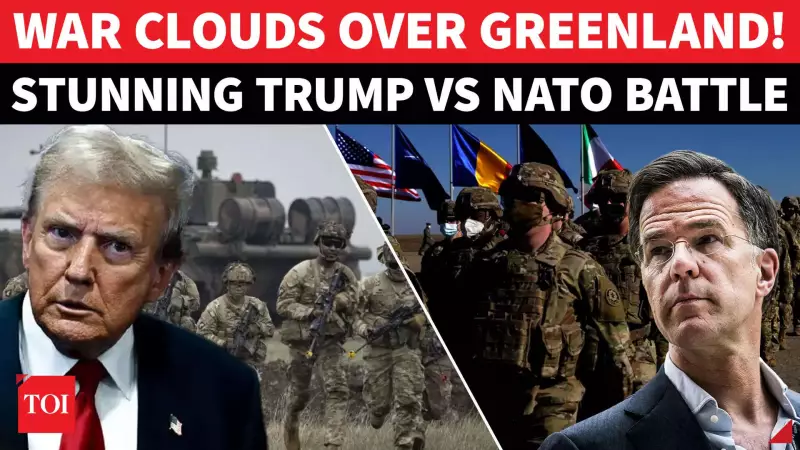
A dramatic statement from US President Donald Trump has sent shockwaves through the international community, threatening to create a deep rift within the NATO military alliance. The controversy centres on the strategic Arctic territory of Greenland.
Trump's Stark Warning Aboard Air Force One
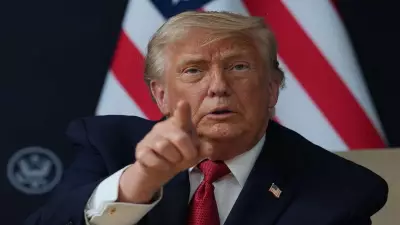
Speaking to reporters while on board Air Force One on January 12, 2026, President Trump made a stunning declaration. He asserted that the United States will have Greenland, framing the move as an urgent strategic necessity. His primary justification was the need to prevent rivals Russia and China from gaining a foothold in the resource-rich and militarily crucial Arctic region.
In his remarks, Trump reportedly lost his cool when discussing NATO's current defences in the Arctic, dismissively referring to them as inadequate, akin to just 'two dog sleds'. He insisted that American ownership of the world's largest island was inevitable to counter the expanding influence of Moscow and Beijing in the high north.

Immediate Backlash from Allies and Lawmakers
The reaction from European capitals and within the United States was swift and severe. Leaders across Europe and officials within NATO have pushed back forcefully against Trump's unilateral claim. They have issued stark warnings that any attempt by the US to seize or forcibly acquire Greenland could severely fracture the 77-year-old alliance.
Some analysts and diplomats are even suggesting that such an action could potentially spell the end of NATO itself, as it would represent a fundamental breach of trust and the principles of sovereignty that the alliance is built upon. US lawmakers have also joined the chorus of concern, questioning the legal and diplomatic implications of the President's stance.
The Arctic: New Frontline in Global Power Struggle
This escalating standoff highlights how the Arctic has emerged as a new frontline in global competition. As ice caps recede due to climate change, new shipping routes and access to vast untapped natural resources are opening up. Both Russia and China have significantly increased their economic and military activities in the region in recent years.
Trump's comments are seen as a direct response to this perceived threat, but his method has ignited a firestorm. The debate is no longer just about Arctic security; it is now reshaping fundamental conversations about national sovereignty, superpower ambition, and the future of international alliances in the 21st century. The situation remains volatile, with the world watching to see if this verbal confrontation leads to a more profound geopolitical crisis.