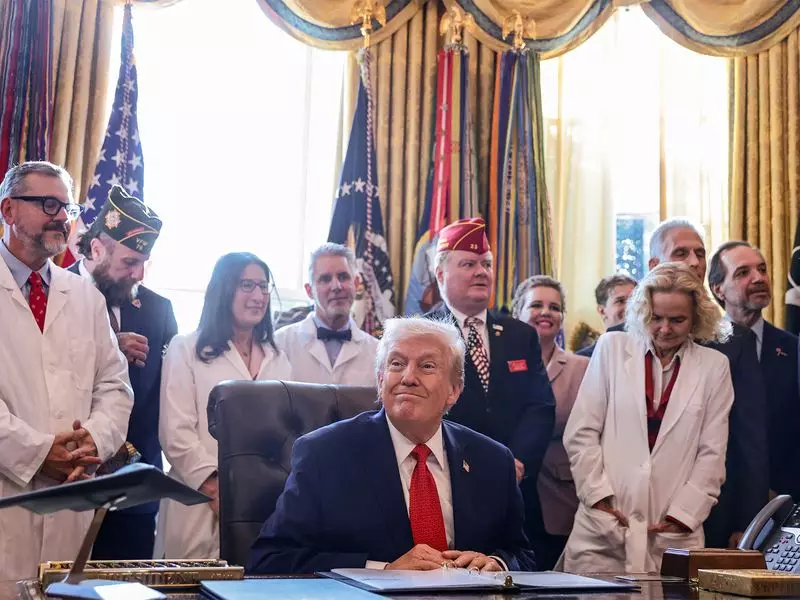
In a significant move that could reshape the American legal landscape for cannabis, former President Donald Trump has taken steps to loosen long-standing federal restrictions on marijuana. This policy shift, initiated during his administration, aims to reclassify the substance and remove major barriers to scientific research.
A Historic Shift in Federal Drug Policy
The core of this change lies in the directive to reclassify marijuana under the Controlled Substances Act. For decades, marijuana has been listed in Schedule I, a category reserved for drugs deemed to have a high potential for abuse and no accepted medical use. This classification placed it alongside substances like heroin and LSD, creating severe legal and research hurdles.
The new policy, which was set in motion by the Trump administration and involves key agencies like the Drug Enforcement Administration (DEA) and the Department of Justice, seeks to move marijuana to Schedule III. This category is for drugs with a moderate to low potential for dependence and includes substances like anabolic steroids and Tylenol with codeine. This reclassification is a historic acknowledgment of marijuana's potential medical benefits and its comparatively lower risk profile.

Unlocking the Doors to Cannabis Research
One of the most critical outcomes of this policy change is the green light it gives to scientific and medical research. The Schedule I status had created a bureaucratic nightmare for researchers, making it extremely difficult to obtain federal approval and a consistent supply of cannabis for studies.
By downgrading marijuana to Schedule III, the administration intends to streamline the research process. This will allow scientists, universities, and pharmaceutical companies to more easily investigate the plant's therapeutic properties for conditions like chronic pain, epilepsy, and PTSD. The move is seen as a major victory for the medical community, which has long argued that federal law has stifled crucial research into cannabis.
Political and Social Implications
This decision does not equate to federal legalization of recreational marijuana. However, it represents a substantial softening of the federal government's stance, aligning it more closely with public opinion and the laws of numerous states. Over 38 states have already legalized medical marijuana, and nearly half have approved its recreational use, creating a stark conflict with federal law.
The reclassification effort, which began under Trump, carries significant political weight. It is viewed as a strategic move to appeal to a broader voter base, particularly younger Americans and independents who largely support cannabis reform. The policy also aims to address racial disparities in drug enforcement, as past marijuana laws have disproportionately impacted minority communities.
While the process of finalizing the reclassification involves a formal rule-making procedure that includes public comment, the initial directive marks a pivotal turning point. It signals a move away from the decades-old "War on Drugs" approach toward a more nuanced, science-based, and federally tolerant policy on cannabis in the United States.