Himalayan Glacial Lakes: A Looming Catastrophe for Millions
A recent scientific investigation has raised alarming concerns about the stability of thousands of glacial lakes forming across the Himalayas. According to a study published in Scientific Reports by researchers from the Indian Institute of Technology Roorkee, more than 31,000 of these lakes are currently expanding throughout High Mountain Asia. These are not minor water bodies but massive reservoirs, some spanning several square kilometers, created as glaciers retreat due to rising global temperatures.
The Mechanism of a Potential Disaster
The study, titled "Automated satellite-based glacial lake inventory and change detection in High Mountain Asia," explains the formation process. As glaciers melt, they leave behind depressions that fill with meltwater, held in place by natural dams composed of loose rocks, ice, and sediment. The critical danger arises when these fragile barriers fail under increasing water pressure, potentially triggering a sudden and devastating outburst flood.
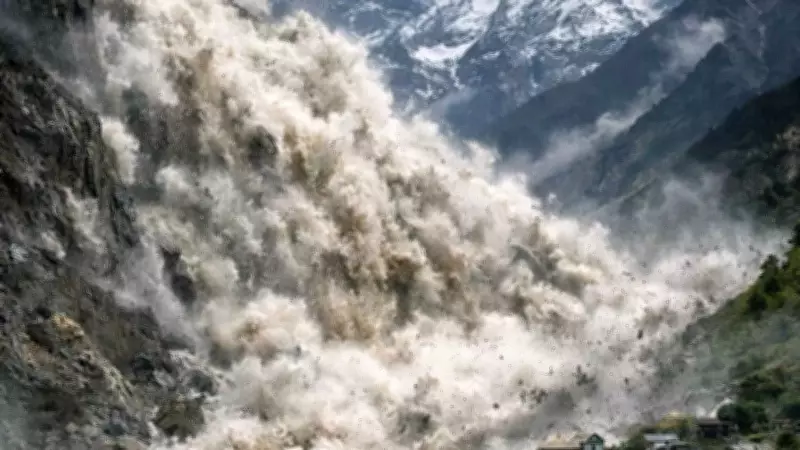
Experts warn that such an event could mirror the catastrophic 2013 Kedarnath flood, which caused widespread destruction. The high-altitude location of these lakes means that any released water would gain tremendous velocity as it descends, transforming into a destructive wall of water by the time it reaches populated valleys below. This force is capable of obliterating homes, infrastructure, roads, and even power plants with little warning.

Monitoring Challenges and Technological Solutions
Tracking these volatile lakes presents significant logistical hurdles. The Himalayan region is characterized by steep, remote terrain often obscured by cloud cover, making ground-based monitoring extremely difficult. To overcome this, the IIT Roorkee research team employed an advanced methodology combining satellite imagery from NASA and the European Space Agency (ESA), radar sensor data, and high-resolution topographic maps. This technological approach allows for more accurate inventory and change detection of these remote water bodies.
The Human Cost and Global Implications
The human exposure to this hazard is staggering. Globally, approximately 15 million people are estimated to be living in the potential path of sudden glacial lake outburst floods. High Mountain Asia alone accounts for about 62 percent of this vulnerable population. Within India, nearly 3 million residents reside downstream from these unstable glacial lakes.
The rapid onset of such floods means that traditional warning systems may prove inadequate, leaving little to no time for evacuation. The situation is exacerbated by climate change, which is accelerating glacier melt and thereby increasing both the number and size of these lakes. The mountains, while majestic, are effectively storing vast quantities of water behind precarious natural dams. A single triggering event, such as a rockslide, seismic activity, or intense rainfall, could be enough to release this pent-up force.
The serene and breathtaking landscapes of the Himalayas conceal a growing, climate-driven threat. The expanding glacial lakes serve as a stark reminder that even the most beautiful environments can harbor deadly surprises, demanding urgent attention from policymakers, scientists, and communities at risk.