Zohran Mamdani's Political Triumph: More Than Just a Symbolic Victory
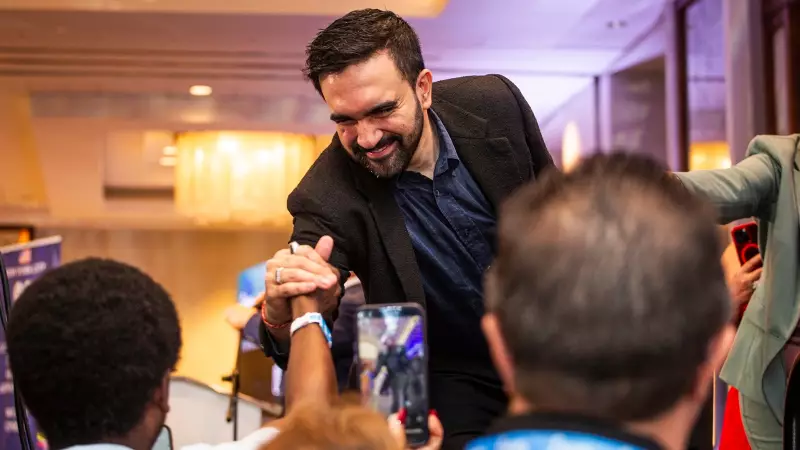
The recent electoral success of Zohran Mamdani in New York has created significant waves across the United States liberal and progressive political landscape. While many celebrate this achievement as a milestone for representation, deeper analysis reveals it represents a critical moment for liberalism to confront its fundamental contradictions. The victory, achieved on November 17, 2025, forces uncomfortable questions about whether symbolic wins can translate into substantive change.
The Divided Liberal Response to Mamdani's Win
Within liberal circles, Mamdani's victory has exposed significant ideological fractures. One faction views his success as a necessary corrective to the centrist drift that has characterized the Democratic Party for three decades. This group applauds his clear stance on pressing issues including housing reform, healthcare access, police accountability, and anti-war policies.
However, another segment of the liberal coalition remains apprehensive. While acknowledging the moral clarity of Mamdani's platform, they worry that his direct critique of capitalism could prove politically volatile. This more institutionally-oriented wing believes that such radical rhetoric might fracture fragile political alliances, trigger conservative backlash, and jeopardize incremental progress achieved through conventional political channels.

The tension highlights a fundamental dilemma facing contemporary liberalism: how to reconcile systemic criticism with practical governance in an era of political polarization.
Symbolic Power Versus Structural Constraints
Mamdani's achievement raises crucial questions about what symbolic victories can actually accomplish within America's two-party system. The political architecture at both state and federal levels has been meticulously constructed over generations to resist radical transformation. Significant barriers including legislative obstacles, corporate funding dominance, media manipulation, and bureaucratic inertia present formidable challenges to progressive agendas.
Yet dismissing the importance of symbolic politics would be shortsighted, especially in democracies experiencing multiple crises. Symbols not only represent potential change but actively inspire it by expanding collective imagination about what's politically possible. Mamdani's presence in the Assembly effectively challenges the neoliberal consensus that criticizing capitalism is unrealistic or that socialist ideas are inherently un-American.
His victory sends a powerful message to young activists and marginalized communities: political imagination remains alive, and systemic critique maintains relevance in public discourse.
The Deeper Challenge: Confronting Liberalism's Crisis
The most pressing question emerging from Mamdani's win concerns the resurgence of reactionary politics that weaponizes economic anxiety into cultural resentment. This populist movement effectively disguises systemic exploitation behind patriotic rhetoric while capitalizing on the emotional disconnect created by years of liberal technocracy.
The task for the liberal Left extends beyond merely defeating right-wing forces. It requires exposing the underlying infrastructure of this populism while building solidarity across traditional divides—connecting urban renters with rural debtors, gig economy workers with organized labor, and racial justice advocates with economic equality campaigns.
This moment demands that liberals confront their own historical complicity in privatizing public resources, weakening labor unions, and over-relying on market solutions. Years of prioritizing technical governance over moral connection created the vacuum that reactionary movements have successfully filled.
Ultimately, Zohran Mamdani's victory represents not a solution but a crucial opening. It compels liberals to answer whether they will accept representation without meaningful redistribution, diversity without genuine democratization, and freedom without authentic fraternity. His political approach seeks to reestablish democracy's foundation not in the performance of inclusion but in the material reality of justice.

The stakes couldn't be higher. Can a liberalism historically framed around individual rights transform to embrace substantive equality? Can it remember that democracy constitutes not merely a procedural exercise but a sacred promise that society's most vulnerable won't be abandoned to corporate power's mercy?
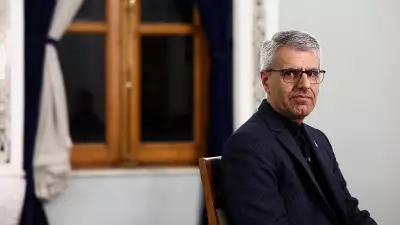
As Shibashis Chatterjee, who teaches at Jadavpur University in Kolkata and previously held the Eugenio Lopez Visiting Chair at Virginia Military Institute, observes, this political moment demands serious introspection about liberalism's future direction and fundamental purpose.