How ICE Already Knows Who Minneapolis Protesters Are
In a revealing development, U.S. Immigration and Customs Enforcement (ICE) has been utilizing sophisticated technological tools to identify undocumented immigrants and monitor protesters in Minneapolis. This practice, which involves a combination of facial recognition, social media monitoring, and other advanced surveillance methods, raises significant concerns about privacy and civil liberties in the digital age.
The Technological Arsenal at ICE's Disposal
ICE agents have access to a wide array of tech tools that enable them to track individuals with unprecedented precision. Facial recognition technology plays a crucial role in this process, allowing agents to scan crowds and match faces against databases. This technology is often integrated with public and private surveillance systems, enhancing its reach and accuracy.
Additionally, social media monitoring is a key component of ICE's strategy. Agents actively scan platforms like Facebook, Twitter, and Instagram to gather information on protesters and undocumented immigrants. This includes analyzing posts, photos, and location data to build profiles and identify individuals involved in activities of interest.

Implications for Protesters and Immigrants in Minneapolis
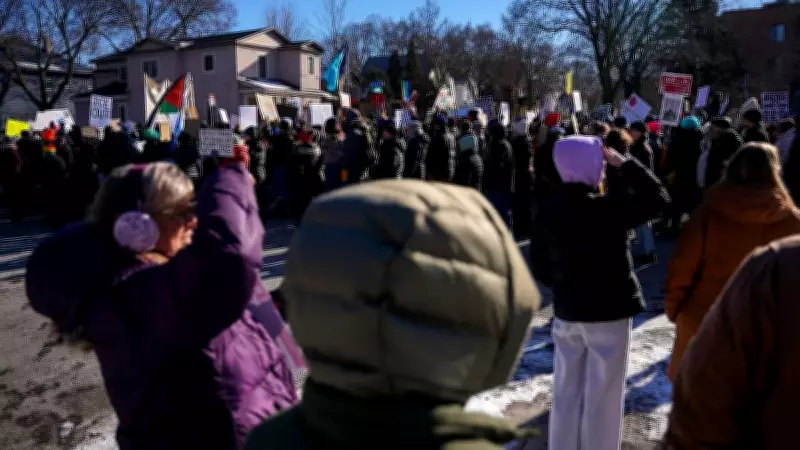
The use of these technologies in Minneapolis has sparked debate over the balance between security and individual rights. Protesters, who may be exercising their First Amendment rights, find themselves under constant surveillance, potentially chilling free speech and assembly. For undocumented immigrants, this digital tracking can lead to increased risks of detention and deportation, as ICE leverages tech to pinpoint their locations and activities.
Experts warn that such surveillance practices could set a dangerous precedent, normalizing the use of invasive tech tools against civilians. The lack of transparency and oversight in how ICE deploys these technologies further compounds these concerns, leaving many to question the ethical and legal boundaries of digital surveillance.
Broader Context and Future Outlook
This situation in Minneapolis is part of a larger trend where law enforcement agencies worldwide are adopting similar tech-driven approaches. As artificial intelligence and data analytics continue to evolve, the capabilities for tracking individuals are only expected to grow. This raises urgent questions about the need for robust regulations and safeguards to protect privacy and prevent abuse.
In response, advocacy groups and lawmakers are calling for stricter controls on the use of surveillance technologies by ICE and other agencies. They argue that without proper checks, these tools could undermine democratic values and disproportionately target vulnerable communities.
As the debate unfolds, the case of Minneapolis serves as a stark reminder of the power of technology in shaping modern law enforcement and its impact on society.