

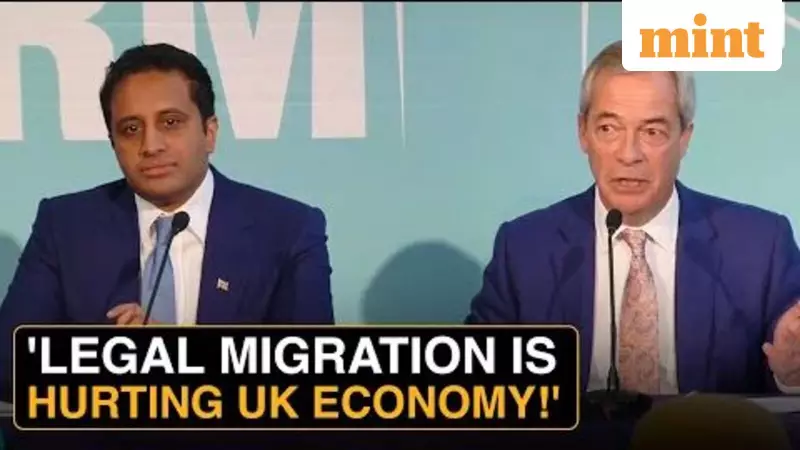
British politician Nigel Farage has unveiled a controversial new policy agenda that could dramatically reshape the UK's approach to migration and public spending. The Reform UK leader dropped what he described as a "bombshell" announcement just before the upcoming budget, outlining plans that would affect millions of foreign nationals living in Britain.
The Core Proposals: Sweeping Changes to Benefits and Spending
At the heart of Farage's announcement lies a radical plan to strip all foreign nationals, including citizens from EU countries, of their entitlement to UK benefits. This dramatic measure, according to Reform UK's calculations, would save British taxpayers approximately £10 billion annually.
The proposed policy goes far beyond just benefit restrictions. Farage revealed a comprehensive financial strategy that includes £20 billion in overall spending cuts across various government departments. Another significant element involves slashing Britain's foreign aid budget dramatically, reducing it to just £1 billion from its current levels.

Perhaps most notably for Indian professionals and students considering the UK, the plan calls for tripling the NHS visa fee to £2,718. This substantial increase would affect all foreign nationals requiring visas to work or study in Britain, making UK immigration considerably more expensive.
Political Reactions and Potential Consequences
The immediate political response to Farage's proposals has been sharply divided. The Conservative Party, currently in government, dismissed the plan as "ridiculous", suggesting it lacks practical implementation strategies and could damage international relations.
The opposition Labour Party issued even stronger warnings, suggesting that such policies could trigger a potential trade war with European Union nations. Labour representatives argued that stripping EU citizens of benefits they were guaranteed under previous agreements would violate international treaties and damage Britain's standing as a reliable partner.
Farage defended his proposals by emphasizing his belief that UK taxpayers should "move back" to priority in the country's welfare system. He argued that the current system unfairly burdens British citizens while providing extensive support to foreign nationals who haven't contributed equally to the tax system.
Broader Implications for UK-International Relations
The announcement signals Reform UK's intention to push for a renegotiation of the Brexit deal with the European Union. Farage has long been critical of the current agreement, arguing that it doesn't deliver on the promises made during the 2016 referendum campaign.
For the substantial Indian diaspora in the UK and those considering migration, these proposals could have significant implications. The tripled NHS visa fee would represent a substantial additional cost for Indian professionals, students, and families planning to relocate to Britain.
The political timing of this announcement is particularly strategic, coming just before the budget presentation. This positions Reform UK as pushing for more radical approaches to migration and public spending than either the Conservatives or Labour are currently proposing.
As the debate over these proposals develops, the key questions will focus on their legality under international agreements, their economic impact, and their potential effect on Britain's relationships with key partners like the European Union and Commonwealth nations including India.






