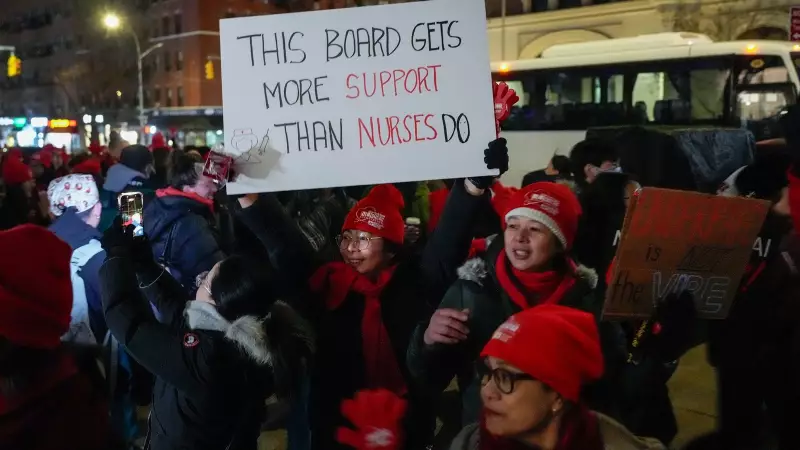
In a significant escalation of labor tensions in the US healthcare sector, more than 7,000 nurses walked off the job at several prominent New York City hospitals on Monday. The strike, organized by the New York State Nurses Association (NYSNA), primarily affects two major hospital systems: Mount Sinai Hospital in Manhattan and Montefiore Medical Center in the Bronx.
Core Demands: Staffing Ratios and Fair Contracts
The central issue driving this massive work stoppage is not just wages, but critically, safe staffing levels. The nurses' union has been locked in contentious contract negotiations, arguing that chronic understaffing has led to burnout and compromised patient care. They are demanding enforceable nurse-to-patient ratios written into their contracts to ensure safety and quality.
While fair economic packages are part of the discussion, the union emphasizes that the fight is fundamentally about patient safety and retaining experienced nurses. Hospitals, facing immense financial pressures post-pandemic, have resisted binding staffing mandates, proposing alternative solutions like recruitment committees.

Political Solidarity and Widespread Impact
The strike has garnered notable political support. New York State Assemblymember Zohran Mamdani has been a vocal advocate, joining picket lines and condemning the hospitals for what he calls "corporate greed." He highlighted that the hospitals received substantial federal aid during the COVID-19 pandemic, yet are now refusing to invest adequately in their frontline nursing staff.
The impact on hospital operations is immediate and severe. Mount Sinai has diverted ambulances from its main Upper East Side location to other facilities. Montefiore has postponed many non-elective surgeries and is relying on temporary agency nurses to maintain emergency and critical services. Both institutions have expressed disappointment at the strike action, stating they presented fair offers and remain committed to bargaining.
Broader Context and What Comes Next
This strike is not an isolated event but part of a larger wave of labor activism within the US healthcare industry. Nurses nationwide, hailed as heroes during the pandemic's peak, are now demanding systemic changes to address unsustainable working conditions. The outcome in New York, a union stronghold, could set a precedent for similar negotiations across the country.
As the strike continues, the key questions remain: How long will hospitals sustain disrupted operations? Will the public pressure mount for a settlement that includes concrete staffing guarantees? The resolution of this conflict will have profound implications for the future of nursing, hospital management, and, most importantly, the standard of care for millions of patients in America's largest city.