Bahrain Circulates Draft UN Resolution to Secure Strait of Hormuz with Force Authorization
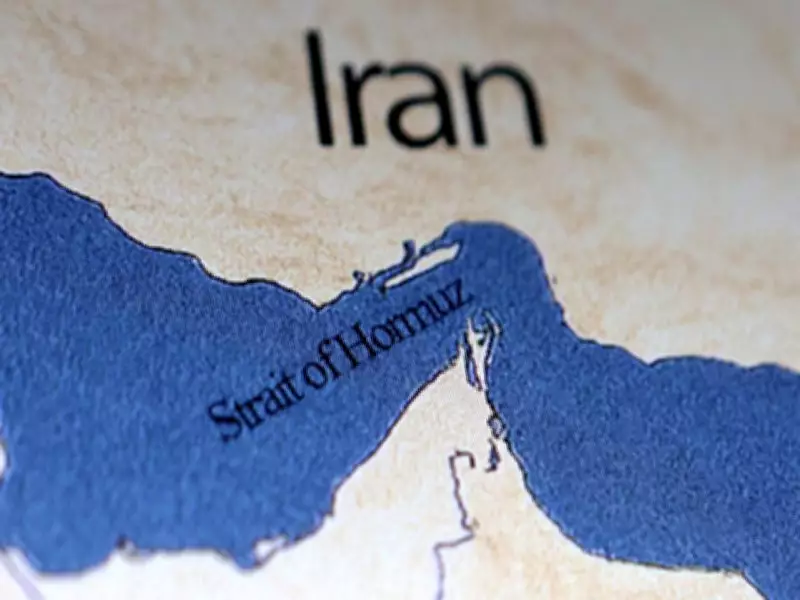
In a major diplomatic move targeting Tehran, Bahrain has circulated a draft United Nations Security Council (UNSC) resolution that seeks to authorize member states to "use all necessary means" to counter Iranian threats and guarantee the free passage of commercial vessels through the strategic Strait of Hormuz. According to a report by The Jerusalem Post, this initiative represents a significant escalation in efforts to address maritime security concerns in one of the world's most critical energy transit routes.
Resolution Details and Legal Framework
The draft resolution explicitly condemns ongoing threats against commercial shipping, emphasizing the severe impacts such actions have on international trade, energy security, and the global economy. It authorizes member states, acting independently or through multinational maritime partnerships, to employ all necessary measures in and around the Strait of Hormuz, including within the territorial waters of coastal states, to ensure free navigation and counteract any attempts to block or disrupt passage.
The text states, "We are determining that Iran's actions near and around the Strait of Hormuz, including its recurring threats and attacks on commercial and merchant vessels, and actions impeding the freedom of navigation, constitute a threat to international peace and security." Framed under Chapter VII of the UN Charter, this resolution moves beyond mere diplomatic condemnation to grant concrete operational authority for maritime actions.

Operational Mandate and Accountability Measures
The draft specifies that the Security Council authorizes member states to use all necessary means to secure transit passage and to repress, neutralize, and deter attempts to interfere with international navigation. This authorization remains in effect until the Council decides otherwise. To ensure accountability, the resolution requires quarterly reports to the Security Council on any military or maritime actions taken under this mandate.
Additionally, the draft expresses readiness to impose further measures, including targeted sanctions, against any actors found to be undermining freedom of navigation. This provision highlights the international community's commitment to maintaining security in the region through both enforcement and punitive measures.
Political Challenges and Regional Implications
Despite its assertive stance, the resolution is unlikely to pass the UNSC due to veto powers held by Russia and China, which have historically opposed such measures against Iran. However, the circulation of this draft signals an increasingly proactive approach by Gulf states, particularly Bahrain, in seeking active measures to protect the vital energy transit route.
The move reflects broader regional tensions and the urgent need to address threats that jeopardize global economic stability. As debates among Security Council members are expected to lead to revisions, this initiative underscores the growing determination to secure maritime corridors against escalating threats.