

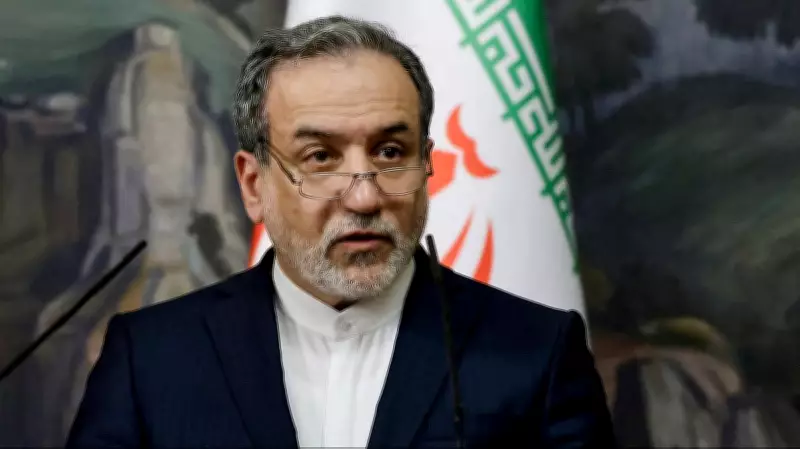
Iran Firmly Rejects Dialogue with United States
In a significant diplomatic development, Iran's Foreign Minister, Abbas Araqchi, has unequivocally stated that Tehran has no intention of engaging in talks with the United States. This announcement comes amid heightened tensions in the Middle East and ongoing economic sanctions imposed by Washington.
Official Statement from Tehran
During a recent press briefing, Araqchi emphasized Iran's steadfast position, highlighting that the current conditions do not favor any form of negotiation. He pointed to the persistent sanctions and what he described as hostile policies from the US as primary reasons for this stance.
Key factors cited by Araqchi include:

- Economic sanctions that have severely impacted Iran's economy and daily life.
- Regional instability and conflicts where Iran and the US hold opposing views.
- A lack of trust in US commitments based on past diplomatic engagements.
Context of Regional Tensions
The refusal to hold talks occurs against a backdrop of escalating tensions in the Middle East. Iran has been involved in various regional disputes, often clashing with US allies such as Israel and Saudi Arabia. Araqchi's statement underscores Iran's determination to pursue its foreign policy independently, without concessions to US demands.
Analysts suggest that this move could further isolate Iran internationally, but it also reinforces the government's narrative of resistance against external pressure. The US, on its part, has repeatedly called for dialogue to address issues like Iran's nuclear program and regional activities.
Implications for Global Diplomacy
This development has broader implications for global diplomacy, particularly in efforts to stabilize the Middle East. With Iran opting out of talks, resolving conflicts in the region may become more challenging. It also raises questions about the future of the Joint Comprehensive Plan of Action (JCPOA), the nuclear deal from which the US withdrew in 2018.
In summary, Iran's firm rejection of US dialogue signals a deepening rift between the two nations, with potential repercussions for international relations and regional security. Observers will be watching closely for any shifts in policy from either side in the coming months.






