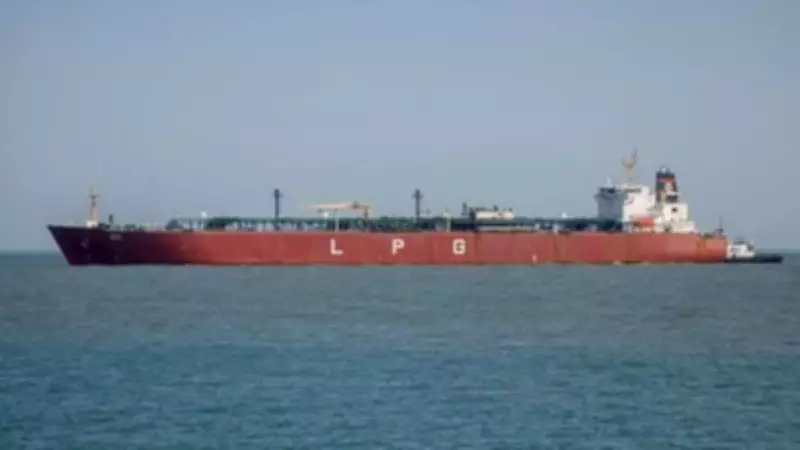
Iran Considers Imposing Transit Fees on Ships in Hormuz Strait
A lawmaker in Iran has disclosed that the country is actively considering the imposition of transit fees on vessels navigating the critical Strait of Hormuz. This strategic waterway, a vital conduit for global oil shipments, has been a focal point of geopolitical tensions, particularly since the onset of the US-Israeli war on Iran.
Background of Maritime Disruptions
Since the beginning of the conflict, Tehran has taken measures to disrupt maritime transit through the strait, specifically targeting vessels it identifies as linked to its war adversaries and their allies. These actions have heightened concerns over regional security and the free flow of trade in one of the world's most important shipping lanes.
The Strait of Hormuz serves as a chokepoint for approximately one-fifth of the world's oil supply, making any changes to its operational dynamics significant for global energy markets. The potential introduction of transit fees represents a new dimension in Iran's strategy to assert control and generate revenue from this crucial maritime route.

Implications for Global Trade
If implemented, the transit fees could have far-reaching consequences for international shipping and energy prices. Key stakeholders, including major oil-importing nations and shipping companies, are likely to monitor developments closely, as any additional costs or restrictions in the strait could disrupt supply chains and inflate transportation expenses.
This consideration by Iran underscores the ongoing volatility in the Middle East and the complex interplay between military conflicts and economic policies. The move may also be seen as a response to international pressures, aiming to leverage the strait's strategic importance for diplomatic or economic gains.
As discussions progress, the global community will be watching for further details on the fee structure, implementation timeline, and potential exemptions, which could shape the future of maritime transit in this volatile region.