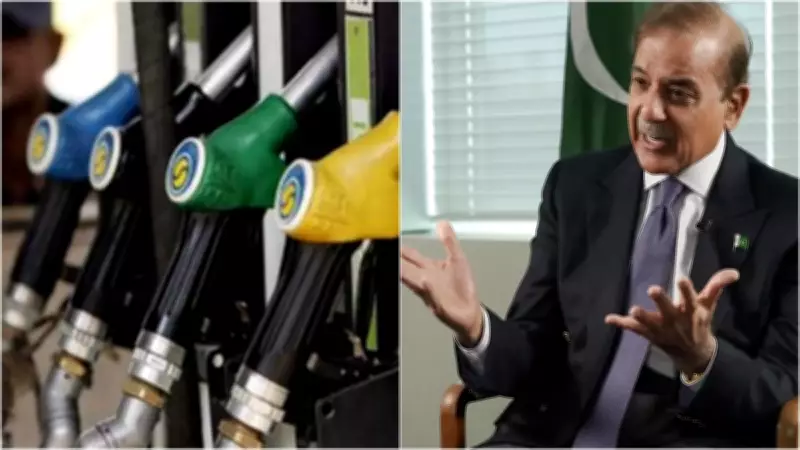
Pakistan Implements 200% Fuel Surcharge on Luxury Cars Amid Economic Strain
In a significant move to address economic challenges, Pakistan has announced a sharp increase in fuel costs for luxury vehicles, imposing a 200% surcharge. This decision comes as the nation grapples with mounting financial pressures exacerbated by ongoing tensions in the Middle East, particularly around the Strait of Hormuz, which threaten global oil supplies.
Economic Context and Rationale
The Pakistani government has cited the need to reduce fuel consumption and generate additional revenue as key drivers behind this policy. With the economy buckling under the strain of inflation and external shocks, officials aim to discourage the use of high-end vehicles, which are often associated with higher fuel consumption. This measure is part of broader efforts to stabilize the national budget and mitigate the impact of volatile oil prices linked to regional conflicts.
Impact of Middle East Tensions
The timing of this fuel cost hike is closely tied to escalating tensions in the Middle East, including the ongoing war that has disrupted oil flows through the Strait of Hormuz. As a major chokepoint for global oil shipments, any instability in this region can lead to supply shortages and price spikes, putting additional pressure on import-dependent economies like Pakistan. The government hopes that by targeting luxury cars, it can insulate the broader population from the worst effects of these external shocks.

Details of the Fuel Surcharge
The 200% increase applies specifically to luxury cars, defined as vehicles with engine capacities above a certain threshold or those classified as high-end models. This surcharge is expected to significantly raise the cost of fuel for owners of such vehicles, potentially reducing their usage and encouraging a shift toward more fuel-efficient alternatives. Authorities have emphasized that this policy is designed to be progressive, affecting only a small segment of the population while preserving affordability for average consumers.
Broader Economic Implications
Economists note that while this move may provide short-term fiscal relief, its long-term effectiveness depends on enforcement and public compliance. The surcharge could also impact the automotive industry, potentially slowing sales of luxury vehicles and prompting manufacturers to adjust their strategies in the Pakistani market. Additionally, the government plans to monitor the policy's effects on fuel consumption patterns and revenue generation, with possible adjustments based on economic conditions.
Regional and Global Context
Pakistan's decision reflects a growing trend among nations to implement targeted measures in response to global economic uncertainties. As Middle East tensions continue to influence oil markets, other countries may consider similar steps to manage their energy costs and economic stability. This development underscores the interconnected nature of global economies and the need for adaptive policies in times of crisis.
In summary, Pakistan's 200% fuel surcharge on luxury cars is a strategic response to economic challenges intensified by Middle East tensions. By focusing on high-consumption vehicles, the government aims to bolster revenue and promote energy conservation, though the policy's success will hinge on its implementation and the evolving regional situation.