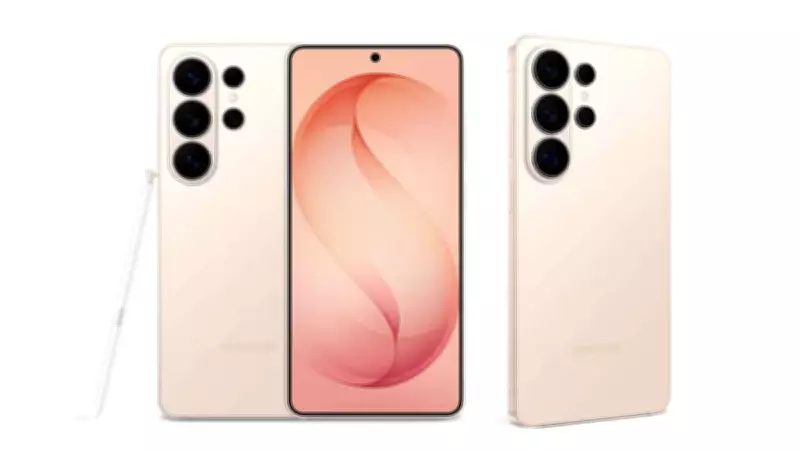
Samsung Galaxy S26 Ultra Camera Underwhelms in DxOMark Evaluation
In a surprising turn of events, the Samsung Galaxy S26 Ultra, one of the most anticipated flagship smartphones of 2026, has delivered a lackluster performance in the latest DxOMark camera rankings. Despite its premium price tag, which positions it as a top-tier device in the market, the S26 Ultra failed to achieve the high scores that many tech enthusiasts and industry experts had predicted.
DxOMark Scores Reveal Shortcomings
DxOMark, a renowned authority in camera and lens testing, recently released its comprehensive review of the Samsung Galaxy S26 Ultra's camera system. The device received a score that places it significantly lower than some of its key competitors, including models from Apple and Google. This outcome is particularly disappointing given Samsung's historical emphasis on camera innovation and quality in its Ultra series.
Key areas where the S26 Ultra struggled include low-light photography, dynamic range, and color accuracy. While the phone boasts advanced hardware specifications, such as a high-resolution sensor and multiple lenses, these features did not translate into superior image quality in DxOMark's rigorous testing protocols. The evaluation highlighted issues with noise reduction and detail preservation in challenging lighting conditions.

Premium Price Tag Raises Eyebrows
The Samsung Galaxy S26 Ultra is priced at a premium level, often exceeding $1,500 in various markets. This high cost has led consumers to expect exceptional performance across all aspects, especially the camera, which is a critical selling point for flagship smartphones. The DxOMark results have sparked debates about whether the device offers sufficient value for money compared to more affordable alternatives that scored higher.
Industry analysts suggest that this could impact Samsung's market share in the competitive premium smartphone segment. With rivals consistently improving their camera technologies, the S26 Ultra's underwhelming performance might deter potential buyers who prioritize photography capabilities.
Comparison with Competitors
When compared to other flagship models released around the same time, the Samsung Galaxy S26 Ultra's camera ranking is notably lower. For instance:
- Apple's iPhone 16 Pro Max achieved a higher score, praised for its consistency and video recording capabilities.
- Google's Pixel 9 Pro excelled in computational photography, offering better results in HDR and portrait modes.
- Chinese manufacturers like Xiaomi and Huawei also outperformed the S26 Ultra in several sub-categories, such as zoom and bokeh effects.
This competitive landscape underscores the challenges Samsung faces in maintaining its edge in camera technology, an area where it has traditionally been a leader.
Potential Implications for Samsung
The disappointing DxOMark ranking could have broader implications for Samsung's brand reputation and sales strategy. As smartphone cameras become increasingly important to consumers, especially with the rise of social media and content creation, any perceived weakness in this area might lead to decreased demand.
Samsung may need to address these issues through software updates or future hardware revisions to regain consumer confidence. The company has a history of responding to feedback, but with the S26 Ultra already on the market, immediate fixes might be limited to post-launch optimizations.
In conclusion, the Samsung Galaxy S26 Ultra's camera performance in DxOMark tests serves as a reminder that premium pricing does not always guarantee top-tier results. As the smartphone industry evolves, manufacturers must continuously innovate to meet rising consumer expectations, particularly in critical features like photography.