

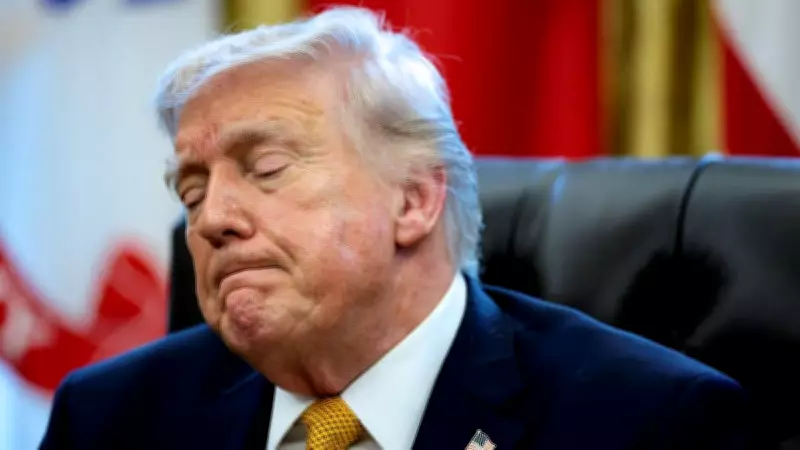
Trump Faces Diplomatic Setback as US Partners Refuse Hormuz Warship Escort Request
President Donald Trump has expressed significant frustration after key United States allies formally rejected his administration's call to provide warship escorts in the strategically vital Strait of Hormuz. This development represents a notable diplomatic setback for the US leader, who had personally advocated for the enhanced naval presence in the waterway.
Economic Costs and Consultation Concerns Drive Allied Resistance
The ongoing conflict has already imposed substantial economic burdens on America's partner nations, who were notably not consulted before the recent series of airstrikes targeting Iranian positions. These military actions, authorized unilaterally by the Trump administration, have created ripple effects throughout global markets and regional stability.
Compounding this situation, US allies have endured months of harsh criticism and bellicose threats from President Trump since his return to office earlier this year. The cumulative effect of this diplomatic pressure appears to have influenced their decision to decline participation in the proposed Hormuz escort mission.

Strategic Implications for Regional Security
The Strait of Hormuz remains one of the world's most critical maritime chokepoints, through which approximately one-fifth of global oil shipments transit daily. The rejection of Trump's escort proposal raises important questions about:
- The future of multinational security cooperation in the region
- Alternative approaches to ensuring freedom of navigation
- The potential for escalated tensions between the US and Iran
- Impact on global energy markets and shipping insurance rates
This diplomatic development occurs against a backdrop of heightened regional tensions, with multiple nations reassessing their security commitments in West Asia. The Trump administration's approach to Iran has created complex challenges for traditional US partners, who must balance alliance obligations with national economic interests.
Broader Context of US-Iran Relations
The current situation represents the latest chapter in the turbulent relationship between the United States and Iran during the Trump presidency. Previous administrations have navigated similar challenges in the Strait of Hormuz, but the current combination of unilateral military action and diplomatic friction has created unprecedented complications for multilateral security arrangements.
Observers note that the allied rejection of Trump's escort proposal may signal broader concerns about consultation processes within the US-led security architecture. As regional dynamics continue to evolve, the effectiveness of traditional alliance structures in addressing complex security challenges remains under scrutiny.






