

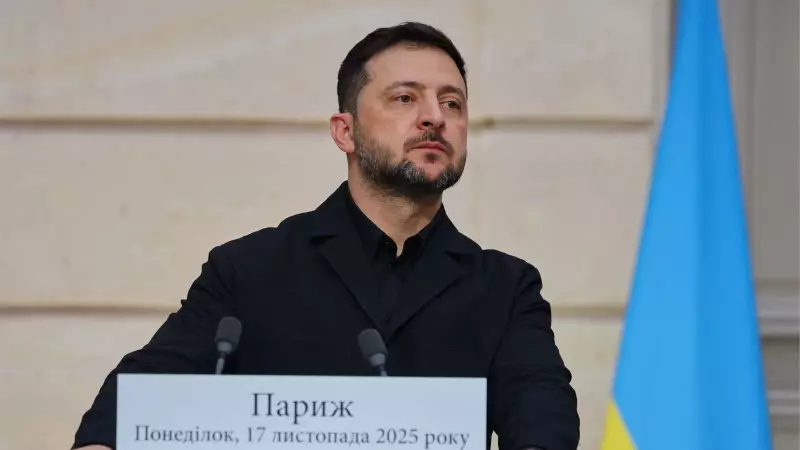
Ukrainian President Volodymyr Zelenskyy embarked on a crucial diplomatic mission to Turkey on Friday, March 8, 2024, signaling a potential restart of efforts to end the ongoing war with Russia. This high-stakes visit comes alongside significant discussions with a United States envoy, creating a dual-track approach to resolving the conflict that has stretched into its third year.
Zelenskyy's Strategic Turkey Engagement
The Ukrainian leader's trip to Turkey represents a carefully calculated move in his ongoing diplomatic offensive. During his visit, Zelenskyy held extensive talks with Turkish President Recep Tayyip Erdogan, focusing on multiple critical aspects of the conflict. The discussions centered around Black Sea security cooperation and the potential revival of grain exports, which are vital for global food security.
Turkey has positioned itself as a unique mediator in this conflict, maintaining relationships with both Ukraine and Russia. President Erdogan has repeatedly offered to host peace talks between the warring nations, and this latest meeting suggests both sides might be inching toward renewed negotiations. The timing is particularly significant given the recent military developments and increasing international pressure for a resolution.

One of the most pressing topics during the Turkey visit was the safety of navigation in the Black Sea. Both leaders discussed concrete measures to protect shipping routes and ensure the continued flow of agricultural products from Ukraine to international markets. This has become increasingly important as alternative land routes face logistical challenges and higher costs.
Parallel US Diplomatic Efforts
Simultaneously with Zelenskyy's Turkey mission, US Special Representative for Ukraine's Economic Recovery Penny Pritzker engaged in substantial discussions with Ukrainian officials. Pritzker's involvement highlights the United States' continued commitment to supporting Ukraine both militarily and economically through what promises to be a challenging period.
The American envoy focused on long-term recovery plans and economic stability measures that would be crucial for Ukraine's future, regardless of how the conflict resolves. These discussions come at a critical juncture as US aid packages face political hurdles and Ukraine seeks to diversify its international support network.
Pritzker's mandate extends beyond immediate war concerns to encompass the broader picture of Ukraine's economic resilience and post-war reconstruction. Her conversations with Ukrainian counterparts addressed infrastructure repair, energy security, and maintaining essential services during continued hostilities.
Multifaceted Approach to Conflict Resolution
The coordinated nature of these diplomatic initiatives suggests a more sophisticated approach to ending the war. Rather than relying on a single channel, Ukraine appears to be pursuing multiple parallel tracks: military preparedness combined with economic planning and diplomatic outreach.
This strategy acknowledges the complex reality of the situation, where battlefield achievements must be supported by international consensus and economic stability. The involvement of both Turkey and the United States provides Ukraine with complementary partnerships—Turkey offering mediation capabilities with Russia, and the US providing substantial economic and military support.
Experts following the conflict note that while immediate breakthroughs seem unlikely, these diplomatic movements indicate that all parties may be preparing for more serious negotiations later this year. The continued fighting on the front lines, however, reminds observers that diplomacy operates alongside ongoing military operations.
The international community watches these developments closely, understanding that any progress toward ending this conflict would have significant implications for global security, energy markets, and food supplies. The coming weeks will reveal whether these diplomatic efforts can translate into concrete steps toward peace or whether they represent another chapter in the prolonged stalemate.






