In a significant escalation of cross-border strikes, a Ukrainian drone attack targeted the Russian Black Sea port of Tuapse early on Wednesday, causing damage to key infrastructure including a gas pipeline. Russian authorities confirmed the incident, marking another blow to facilities deep inside Russian territory.
Details of the Tuapse Drone Attack
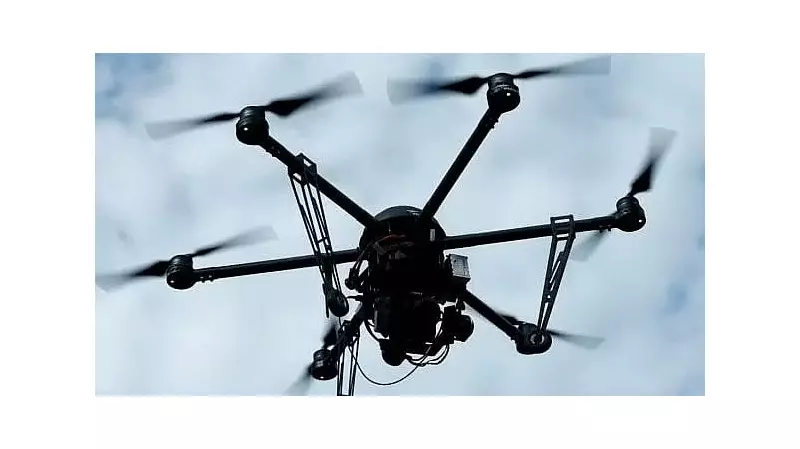
The attack occurred in the early hours of Wednesday, May 29. According to statements from Russian officials and local emergency services, multiple unmanned aerial vehicles (UAVs) were involved in the assault. The primary targets were industrial and energy installations within the port area of Tuapse, a major hub in the Krasnodar region.
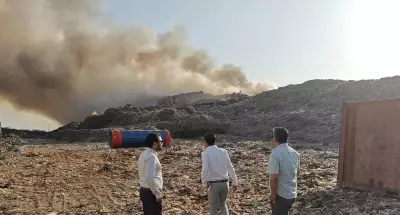
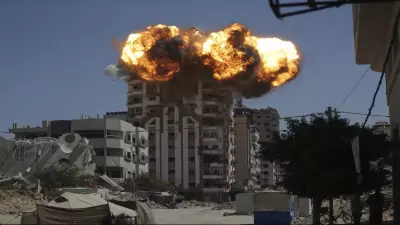
The regional operational headquarters reported that the attack resulted in a fire at the site. Firefighting teams were promptly deployed to the scene to contain the blaze. The strike successfully damaged a gas pipeline, a critical piece of energy infrastructure. While the full extent of the damage is still being assessed, the incident forced a temporary suspension of port operations, disrupting maritime activity.

Russia's Response and Regional Context
Russian air defence systems were activated in response to the incoming drone threat. Officials claimed that a number of the drones were intercepted and shot down. However, some managed to penetrate the defences and hit their intended targets. No casualties have been reported so far from the incident in Tuapse.
This attack is part of a broader pattern of Ukrainian strikes on Russian energy and logistical infrastructure. In recent months, Ukraine has increasingly used long-range drones to target oil refineries, storage depots, and ports far from the front lines. These strikes aim to disrupt Russia's war economy and its ability to fuel its military operations.
The port of Tuapse is a strategic facility for Russia, handling exports of oil, petroleum products, and grain. Attacks on such infrastructure have economic as well as symbolic significance, challenging Russia's perceived control over its own territory.
Implications and Ongoing Conflict
The successful drone attack on Tuapse underscores the growing reach and sophistication of Ukraine's drone capabilities. It demonstrates Kyiv's ability to project force into areas previously considered secure, applying pressure on multiple fronts.
For Russia, these repeated strikes on energy assets pose a mounting challenge. They not only cause immediate physical damage and financial loss but also force the redeployment of air defence resources and create uncertainty in key industrial sectors. The attack is likely to prompt further Russian claims of escalation and may lead to intensified retaliatory measures.
As the war continues with no diplomatic resolution in sight, such deep-strike operations are becoming a regular feature of the conflict. The incident at the Tuapse port and gas pipeline highlights the war's expanding geographical footprint and its impact on critical infrastructure far beyond the battlefield trenches.