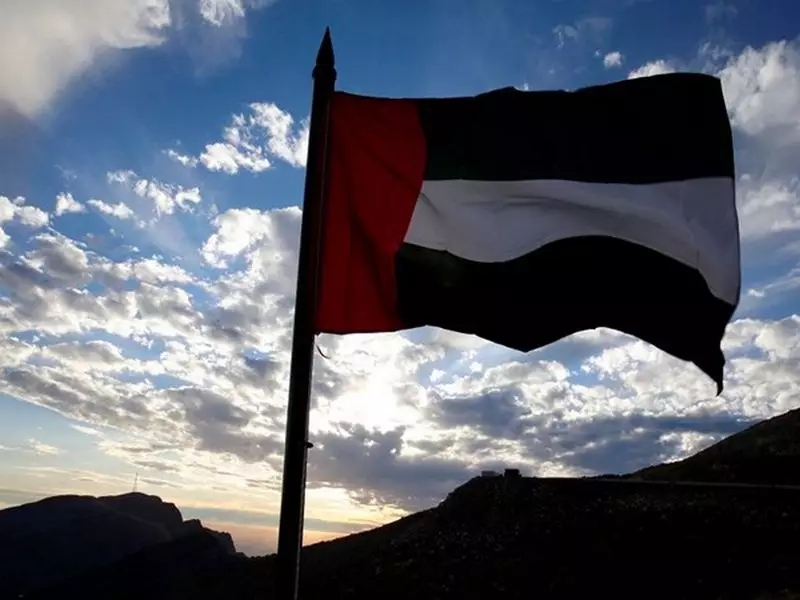
The United Arab Emirates Ministry of Defence has officially declared the successful completion of the return of its armed forces from the Republic of Yemen. This significant military move concludes a major chapter in the UAE's direct involvement in the long-running conflict.
Official Announcement and Strategic Context
In a formal statement released on Sunday, the UAE's Ministry of Defence confirmed that the process of bringing back its troops from Yemen has been finalised. The announcement marks the end of a substantial military deployment that was part of the Saudi-led coalition's Operation Restoring Hope, which began in 2015. The coalition's primary objective was to support Yemen's internationally recognised government against the Houthi rebel forces.
The UAE has been a key pillar of this coalition, contributing significant military resources, training, and logistical support. The decision to withdraw its forces aligns with a strategic shift in its approach, focusing more on diplomatic and political solutions to the complex Yemeni crisis. The ministry's statement emphasised the conclusion of the withdrawal process without providing specific details on the exact number of troops repatriated or the final timeline of the last movements.

The Path to Withdrawal and Evolving Role
This final pullout follows a phased reduction of Emirati military presence that commenced several years ago. While the UAE began drawing down its ground forces from key areas like the port city of Hodeidah and the temporary capital Aden around 2019, it maintained a presence and continued to support allied local groups, such as the Southern Transitional Council (STC) and the Giants Brigade.
The UAE's role evolved from direct combat to providing training, arms, and funding to these Yemeni factions. This final announcement signals the completion of the physical withdrawal of its uniformed military personnel. Experts suggest the move is part of a broader reassessment of regional security priorities, potentially shifting focus towards other strategic concerns while continuing to exert influence in Yemen through local proxies and development aid.
Implications for Yemen and Regional Stability
The complete withdrawal of UAE armed forces from Yemen is poised to have substantial consequences for the conflict's dynamics. It potentially alters the balance of power on the ground, particularly in southern Yemen where Emirati-backed groups hold significant sway. The move may accelerate negotiations between different Yemeni factions or, conversely, create a vacuum that leads to intensified local power struggles.
For the Saudi-led coalition, the UAE's exit represents the departure of a major military partner. However, the UAE has stated its ongoing commitment to Yemen's stability through humanitarian and development assistance. The international community watches closely to see if this withdrawal will act as a catalyst for renewed peace talks under United Nations auspices or lead to a new phase of instability. The ultimate impact on the humanitarian situation, one of the world's worst crises, remains a critical question.
In conclusion, the UAE Ministry of Defence's confirmation of its troops' return closes a direct military chapter but opens a new period of diplomatic and strategic maneuvering in the quest for a resolution to the Yemen war.