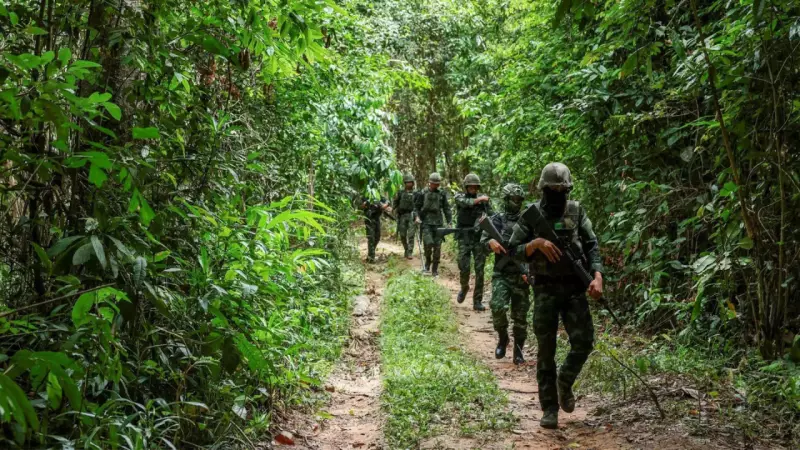
In a significant escalation of a long-simmering territorial dispute, Thailand has launched airstrikes along its contested border with Cambodia. This aggressive move shatters a fragile ceasefire that was brokered just months ago and marks a dangerous new phase in a volatile standoff between the two Southeast Asian nations.
Ceasefire Shattered: From Landmines to Airstrikes
The immediate trigger for the latest escalation was a landmine incident on the frontier. A Thai soldier lost a foot after stepping on a device, prompting Bangkok to accuse Cambodian forces of planting new mines. Phnom Penh has firmly rejected this allegation. This incident followed deadly skirmishes on November 15 near Prey Chan village, which resulted in the death of one Cambodian man and left several others injured. This is the same area that witnessed a tense military confrontation earlier this year.
Both sides have traded sharp accusations. Cambodia has pointed to what it calls "numerous provocative actions" by Thai troops. Conversely, Thailand has stated that Cambodian soldiers fired into its Sa Kaeo province, which led its forces to respond with warning shots. The situation rapidly deteriorated from these ground clashes to the use of air power, indicating a severe breakdown in communication and trust.

The Fragile Peace That Failed
The current violence underscores the failure of a diplomatic solution reached in July. That ceasefire was brokered by Malaysia, China, and the United States after five days of intense fighting that claimed dozens of lives and displaced hundreds of thousands of civilians from their homes. The suspension of that agreement by Thailand last week set the stage for the current crisis, revealing the deep-seated and unresolved tensions along the border.
Regional Implications and Human Cost
The renewed conflict threatens regional stability and has dire humanitarian consequences. The displacement of civilians seen during the July fighting risks being repeated on a large scale. The involvement of major powers like China and the US in the previous ceasefire highlights the international concern over this border dispute. The shift from ground skirmishes to airstrikes represents a serious intensification, raising fears of a prolonged and more destructive conflict.
The path forward appears fraught with difficulty. With accusations flying, a broken ceasefire, and now the use of air power, diplomatic channels are under immense strain. The primary victims remain the soldiers on the front lines and the civilians caught in the crossfire, whose lives are once again upended by this enduring territorial conflict.