In a significant escalation of hostilities, the Thai military launched air strikes against Cambodian forces on Monday, December 8. This aggressive move marks a dangerous new phase in a simmering border dispute between the two Southeast Asian neighbours, reigniting tensions just months after a deadly confrontation.
From Ceasefire to Air Strikes: A Timeline of Escalation
The roots of the current crisis trace back to July this year. Fighting first erupted on July 24 near the historic Ta Muen Thom temple, following months of increasing diplomatic and military posturing. That initial bout of combat was intense and bloody, resulting in dozens of casualties among soldiers and civilians over five days. The violence was eventually halted by a ceasefire agreement brokered by the United States.
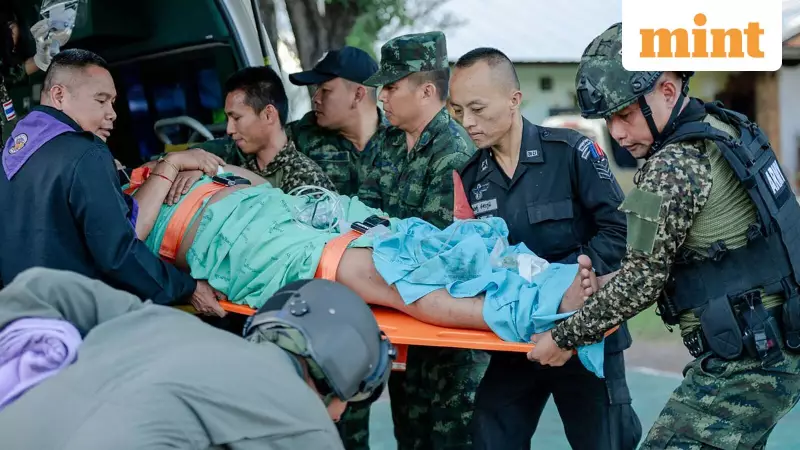
Monday's air raids shattered that fragile peace. The Thai army confirmed the offensive action, stating it was a response to fresh border clashes earlier in the day. According to Thai officials, these latest ground skirmishes resulted in the death of one Thai soldier and left four others wounded. Civilians in the affected border regions were being evacuated for their safety.

A Clash of Narratives: Who Fired First?
As with many border conflicts, the accounts of what triggered Monday's fighting are sharply contradictory. Each side has placed the blame squarely on the other for reigniting the conflict along their disputed frontier.
Thai army spokesperson Major General Winthai Suvaree presented a clear sequence of events from Thailand's perspective. He asserted that Cambodian troops initiated the hostilities by firing into Thai territory across multiple areas. This provocation, he claimed, forced Thailand to respond, leading to the casualties on the Thai side.
Cambodia's version of events directly contradicts this. Defence Ministry spokesperson Maly Socheata stated unequivocally that the Thai military attacked first. She emphasized that Cambodian forces showed restraint, choosing not to retaliate during the initial attacks on Monday, portraying Thailand's subsequent air strikes as an unprovoked escalation.
Regional Implications and the Path Ahead
The return to open conflict, now involving air power, raises serious concerns about regional stability in Southeast Asia. The disputed border area, particularly around ancient temple sites like Ta Muen Thom, has been a persistent flashpoint for decades. The failure of the US-brokered ceasefire from July highlights the deep-seated and unresolved nature of the territorial dispute.
The use of air strikes represents a qualitative escalation from the earlier ground-based infantry clashes. This development increases the potential for higher casualties and could draw more significant international attention and intervention. The situation remains fluid and volatile, with both nations' militaries on high alert along the contentious border. The world watches to see if diplomacy can once again prevail or if the region is headed for a more prolonged and destructive confrontation.