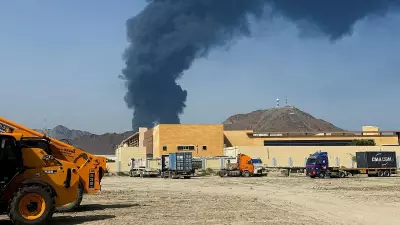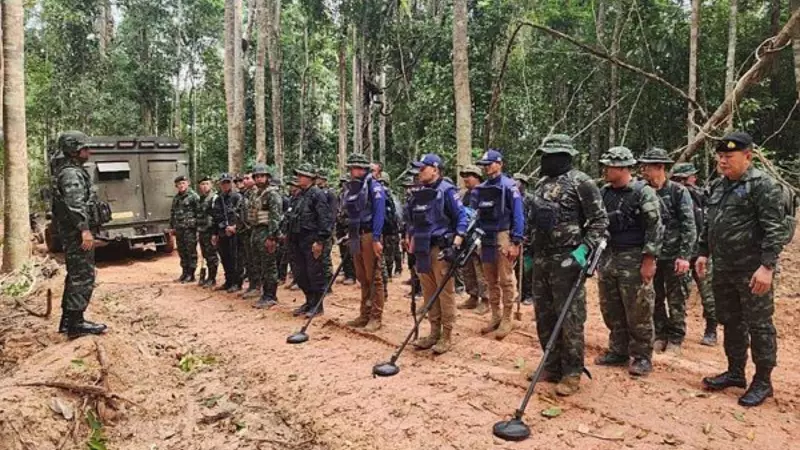
The Royal Thai Army has confirmed launching air strikes against what it describes as illegal settlements within a long-disputed border area adjacent to Cambodia. This military action marks a significant escalation in a territorial standoff that has simmered for decades.
Details of the Military Operation
A spokesperson for the Thai army disclosed the operation on Tuesday, stating that the air strikes were precisely targeted. The objective was to dismantle structures built by Cambodian civilians in a contested zone near the ancient Preah Vihear temple, a UNESCO World Heritage site. The Thai military asserts these constructions were erected illegally on disputed land.
The core of the dispute revolves around a 4.6-square-kilometer area surrounding the temple. While the International Court of Justice awarded the temple itself to Cambodia in 1962, the ownership of the adjacent land has remained a contentious issue, leading to sporadic clashes between the two nations over the years.

Historical Context and Immediate Aftermath
The Preah Vihear temple has been a persistent flashpoint in Thai-Cambodian relations. The recent military action follows reports from Cambodian sources earlier in the week, which claimed that Thai aircraft had fired rockets near the border, causing Cambodian villagers to flee the area. These reports were initially met with less detailed comments from Thai officials.
The Thai army's latest statement provides formal confirmation and justification for the use of air power. They emphasized that the operation was a measured response to protect Thai sovereignty and was conducted after other methods to resolve the encroachment issue had failed. There has been no immediate report of casualties from the strikes.
Regional Implications and Path Forward
This development threatens to destabilize the fragile peace in the border region. Both Thailand and Cambodia are members of the Association of Southeast Asian Nations (ASEAN), which prioritizes regional harmony and peaceful dispute resolution. The use of air strikes, a notable escalation from ground-based patrols or diplomatic notes, will likely draw concern from fellow ASEAN members and the international community.
The situation underscores the lingering potency of historical border conflicts in Southeast Asia. It remains to be seen whether this incident will lead to a renewed cycle of military posturing or if it will spur more urgent diplomatic negotiations to finally settle the demarcation of this contentious piece of land. Observers are closely watching the responses from the Cambodian government and regional bodies.