Pakistan's Interior Minister, Mohsin Naqvi, delivered a stark revelation to the nation's parliament on Thursday, stating that the perpetrators behind two devastating suicide bombings this week were Afghan nationals. The announcement, made during a televised session, has significantly heightened the already strained relations between the two neighbouring countries.
Details of the Twin Attacks
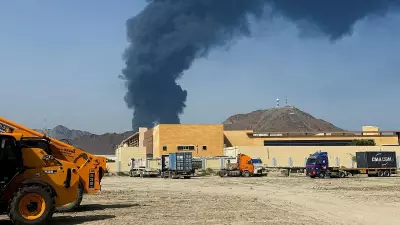
The first of this week's attacks occurred on Wednesday at the entrance of Islamabad’s District Judicial Complex. A suicide bomber detonated explosives, leading to a tragic loss of life and widespread injuries. The blast killed at least 12 people and left more than 30 injured, with several reported to be in critical condition.
In a swift response, Punjab’s Counter-Terrorism Department in Rawalpindi conducted multiple raids. Seven suspects connected to the Islamabad bombing were arrested from locations in Rawalpindi’s Fauji Colony and Dhoke Kashmirian. An additional operation was carried out in the Khyber Pakhtunkhwa (KP) province.

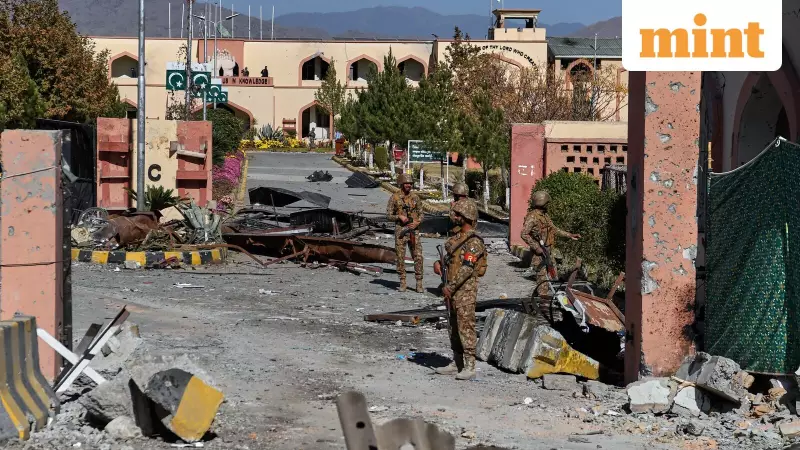
The second bombing took place on Monday, targeting a Cadet College in South Waziristan, KP. This institution is situated close to the volatile Afghan border. The assault began when a vehicle laden with explosives was driven into the college's main entrance. Police officials confirmed that two attackers were killed at the gate, while three others managed to enter the premises.
Rising Tensions and Retaliatory Threats
The relationship between Pakistan and Afghanistan has been growing increasingly tense. Islamabad has repeatedly alleged that militants operating from sanctuaries on the Afghan side of the border are responsible for carrying out attacks within Pakistan—a claim that the government in Kabul consistently denies.
The situation deteriorated further just last month, when deadly border clashes between the two nations resulted in numerous military and civilian casualties. The friction intensified after Afghanistan accused Pakistan of executing drone strikes in Kabul on October 9, which caused several deaths.
In a forceful statement on Tuesday, following the recent bombings, Pakistani Defence Minister Khawaja Asif indicated a potential military escalation. He stated that Pakistan is "in a state of war" and did not rule out launching strikes inside Afghan territory. He urged the public to see the suicide attack in Islamabad as a "wake-up call" regarding the severity of the threat.
A Fragile Ceasefire and an Uncertain Future
The cross-border fighting that erupted after the October drone strikes was only quelled after mediation by Qatar, leading to a ceasefire on October 19. However, this week's violent incidents and the subsequent accusations threaten to shatter that fragile peace. The identification of the bombers as Afghan nationals by a senior Pakistani minister adds a grave new dimension to the conflict, setting the stage for a potentially dangerous new chapter in Pakistan-Afghanistan relations.